
Blog
Restaurant Influencer Marketing Examples That Drive Reservations
Discover powerful restaurant influencer marketing examples that boost reservations. Learn strategies to engage audiences and drive results today!
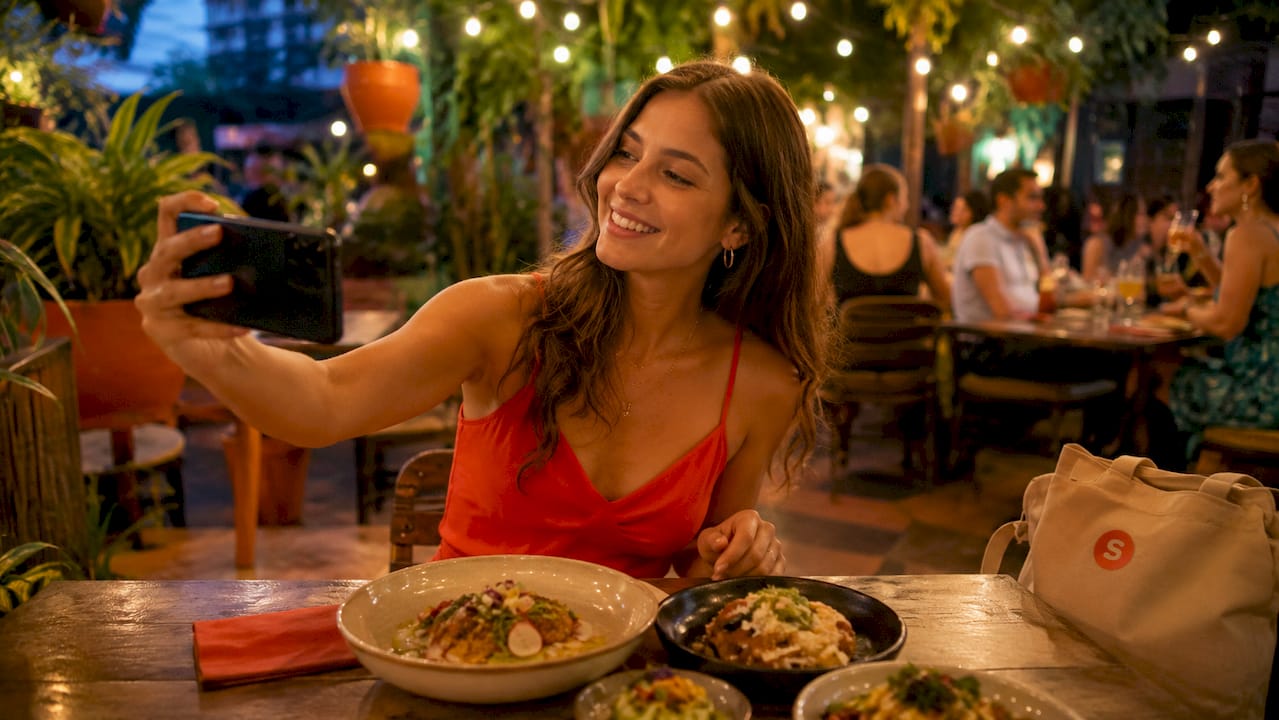
Restaurant Influencer Marketing Examples That Drive Reservations
TL;DR:
- Effective restaurant influencer marketing focuses on authentic creator content that drives measurable results, such as increased reservations. Successful campaigns prioritize creator freedom, platform-specific formats, and local micro-influencers with high engagement and trust. Consistent, varied content and long-term relationships outperform one-off posts in building brand visibility and guest loyalty.
Restaurant influencer marketing is the practice of partnering with social media creators to promote your dining experience to their engaged audiences. The best restaurant influencer marketing examples prove that authentic creator content drives measurable results: Benihana’s creator campaign boosted weekend reservations by 34% compared to the prior year. Sweetgreen handed 500 creators its biggest menu launch with no scripts and watched conversation volume climb. These campaigns share a common thread. They prioritize creator authenticity over brand control, platform fit over mass reach, and psychographic alignment over raw follower counts. This article breaks down the strategies behind the most effective influencer campaigns for restaurants running today.
1. What are the best restaurant influencer marketing examples?
The strongest influencer campaigns for restaurants combine a clear creative direction with genuine creator freedom. The examples below represent different scales, platforms, and approaches. Each one produced results because the brand understood what it was asking creators to do and why.
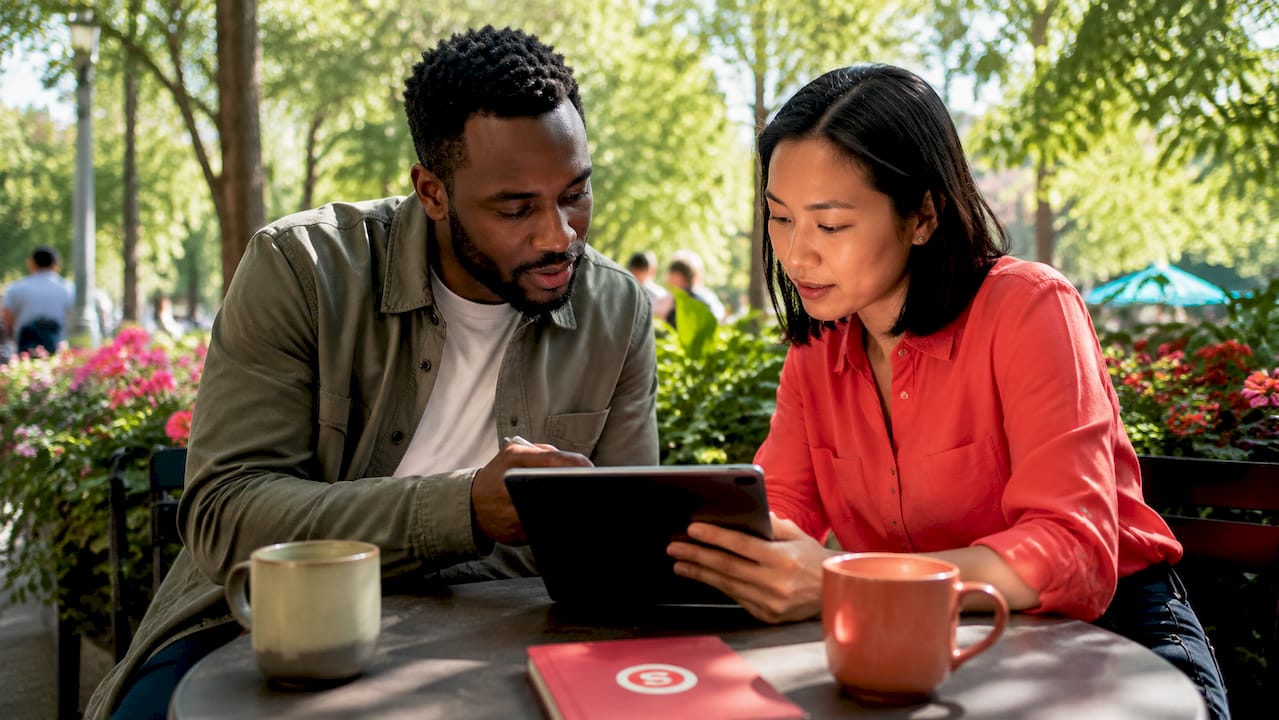
Benihana’s immersive dining creator campaign
Benihana ran a multi-platform creator campaign built around the theatrical experience of teppanyaki dining. The brand gave creators a brief architecture focused on the experience itself, not a word-for-word script. Creators captured the fire, the chef performance, and the communal table energy in their own voice. The result was content that felt personal rather than promotional. Weekend dinner reservations rose 34% and weeknight reservations rose 19% year over year.
Sweetgreen’s honest wrap launch
Sweetgreen gave 500 creators access to its biggest menu launch and told them to be honest. Creators could highlight craveability or ingredient quality based on their own genuine preferences. No talking points. No required phrases. The campaign generated significant conversation volume and positioned Sweetgreen as a brand confident enough to let real opinions drive its marketing. That confidence reads as credibility to younger diners.
Benihana’s Trisha Paytas celebrity collaboration
Benihana’s partnership with Trisha Paytas worked because it amplified the brand’s core experience rather than replacing it with celebrity gloss. Paytas is known for enthusiastic, unfiltered reactions, which matched perfectly with teppanyaki’s dramatic presentation. The collaboration introduced Benihana to a younger consumer base through organic, social-first content. Celebrity partnerships fail when the creator’s audience has no natural connection to the restaurant’s identity. This one succeeded because the fit was genuine.
Local micro-influencer programs
A neighborhood pizza spot or taco truck does not need a celebrity. Micro-influencers with 1,000 or more followers often outperform celebrities in driving local foot traffic because their audiences trust them and live nearby. The key selection criterion is psychographic alignment, not follower count. A food creator who genuinely loves your cuisine category will produce more convincing content than a lifestyle creator with ten times the audience. Start with a comp meal and a loose brief. The low-risk trial tells you quickly whether the partnership has legs.
Pro Tip: Before signing any creator agreement, check whether the influencer has tagged restaurants in your city before. Organic local content history is the strongest signal of geographic relevance.
Behind-the-scenes kitchen content
Showing the kitchen is one of the most effective content formats in restaurant social media marketing. Audiences respond to transparency. A chef explaining why they source a specific ingredient, a line cook showing prep at 6 a.m., or a pastry team decorating a cake all perform well because they humanize the brand. Behind-the-scenes content, staff spotlights, and vendor highlights consistently build engagement across Instagram and Facebook. The content does not require a professional crew. A creator with a phone and genuine access produces better results than a polished brand video.
User-generated content reposts
Reposting customer content is the lowest-cost influencer strategy available to any restaurant. When a guest tags your location in a well-lit food photo, reposting it to your brand account signals social proof to every follower who sees it. It also encourages more guests to post, creating a self-reinforcing content loop. Pair reposts with a branded hashtag and you build a searchable archive of real customer experiences. This approach works especially well on Instagram, where visual consistency and social proof drive follow and visit decisions.
Staff spotlight series
A recurring staff spotlight series turns your team into content creators without requiring any influencer budget. Feature your head bartender explaining a cocktail, your sommelier walking through a wine pairing, or your host sharing what makes a Friday night shift memorable. This format builds audience connection and loyalty. It also differentiates your brand from competitors who only post food photography. Viewers who feel they know your staff are more likely to visit and more likely to return.
2. How platform choice shapes your influencer campaign
Platform selection is not a secondary decision. The platform determines the content format, the audience mindset, and the shelf life of every piece of creator content you produce.
| Platform | Best use case | Content format | Audience mindset |
|---|---|---|---|
| TikTok | Discovery and viral reach | Short, trend-driven video | Browsing, open to new experiences |
| Instagram Reels | Aspirational brand building | Polished short video | Evaluating, comparing options |
| YouTube | Long-form ambient content | Extended dining experience videos | Researching, high intent |
Effective campaigns use TikTok for discovery, Instagram Reels for aspirational compression, and YouTube for long-form ambient content. Each platform requires a different brief. TikTok content should hook in the first two seconds and ride existing audio trends. Instagram Reels should look polished and feel aspirational without losing authenticity. YouTube content can run longer and works well for restaurant tours, chef interviews, or full dining experience walkthroughs.
79% of Millennials and 68% of Gen Z consider the social media worthiness of a restaurant a key factor in their dining decisions. That statistic means your physical space and your plating are now marketing assets. Creators who capture both well on the right platform convert viewers into guests.
Pro Tip: Give TikTok creators a trending audio suggestion but let them decide whether to use it. Forcing a specific sound often produces content that feels dated by the time it publishes.
Multi-platform campaigns tailored with unique content formats for each channel prevent content fatigue and maximize audience attention. Running the same video across TikTok, Instagram, and YouTube without adaptation is the most common mistake restaurant marketers make. Each platform’s algorithm rewards native content. Adapt the format, not just the caption.
3. Why micro-influencers often outperform celebrities for local restaurants
Follower count is a vanity metric for local restaurant marketing. A creator with 8,000 highly engaged followers in your city will drive more reservations than a celebrity with 2 million followers spread across the country.
The reasons are straightforward:
- Geographic relevance. A local creator’s audience can actually visit your restaurant. A national celebrity’s audience mostly cannot.
- Trust. Micro-influencers maintain closer relationships with their followers. Recommendations feel personal, not transactional.
- Psychographic alignment. Restaurants see better ROI when they prioritize creator enthusiasm and audience fit over raw reach. A creator who genuinely loves farm-to-table food will sell your farm-to-table concept more convincingly than any paid celebrity.
- Cost efficiency. Micro-influencer partnerships often start with a comp meal and a handshake. Celebrity deals require legal agreements, usage rights negotiations, and fees that most independent restaurants cannot absorb.
- Content quality. Creators who are genuinely excited about your food produce better content. Enthusiasm is visible on camera.
Sweetgreen’s creator program demonstrates this at scale. The brand worked with hundreds of creators across different audience sizes rather than betting on a single celebrity endorsement. The diversity of voices produced a more credible and wider-reaching conversation than any single partnership could have generated. For local restaurants, the lesson is clear: build a roster of five to ten local micro-influencers rather than chasing one big name.
You can read more about how influencers drive restaurant success for U.S. owners looking to apply these principles at the neighborhood level.
4. Content types that consistently engage restaurant audiences
The format of creator content matters as much as the creator’s audience size. These are the content types that produce the strongest engagement in restaurant social media marketing:
- User-generated content reposts. Guest photos and videos shared to your brand account build social proof and encourage more guests to post. Tag the original creator to strengthen the relationship.
- Behind-the-scenes kitchen access. Prep footage, sourcing stories, and chef commentary build trust and personality. Audiences reward transparency.
- Ingredient and vendor highlights. Showing where your produce, meat, or specialty items come from signals quality and care. This content performs especially well with health-conscious and food-curious audiences.
- Polls and interactive stories. Instagram Stories polls asking followers to vote on a new menu item or choose between two specials drive direct engagement and give you real customer preference data.
- Staff spotlights. Regular features on team members build emotional connection. Guests who feel they know your staff are more loyal and more likely to recommend your restaurant.
- Contests and giveaways. A simple “tag a friend to win a dinner for two” post expands your reach to new audiences at minimal cost. The entry mechanic does the distribution work for you.
Strong social media marketing for restaurants consistently combines these formats rather than relying on a single content type. Variety keeps your feed interesting and gives different audience segments a reason to engage.
Key takeaways
The most effective restaurant influencer marketing combines authentic creator freedom, platform-specific content formats, and psychographic alignment to drive measurable increases in reservations and brand visibility.
| Point | Details |
|---|---|
| Authenticity drives results | Campaigns without scripts, like Sweetgreen’s, generate higher trust and more genuine audience response. |
| Platform fit is non-negotiable | Use TikTok for discovery, Instagram Reels for aspiration, and YouTube for long-form dining content. |
| Micro-influencers beat celebrities locally | Creators with 1,000+ engaged local followers drive more foot traffic than national celebrities for most restaurants. |
| Content variety sustains engagement | Rotate behind-the-scenes, staff spotlights, UGC reposts, and interactive content to keep audiences engaged. |
| Brief architecture over scripts | Give creators a focus area and creative freedom. Scripted content underperforms authentic creator voice every time. |
What I’ve learned from watching restaurant influencer campaigns succeed and fail
Most restaurant owners approach influencer marketing like advertising. They want control. They want the creator to say specific things in a specific order. That instinct kills campaigns before they start.
The brands that win, Benihana, Sweetgreen, and the best local operators I’ve watched, share one habit. They brief creators on the experience, not the message. They say “here’s what makes our dining room special” and then get out of the way. The creator’s audience can tell the difference between a genuine reaction and a read. Genuine reactions convert.
The second mistake I see constantly is treating influencer marketing as a one-time event. A single creator post generates a spike. A roster of creators posting consistently over months builds a brand. The restaurant marketing trends that are producing real growth in 2026 all point toward sustained creator relationships, not one-off campaigns.
Platform selection also trips up a lot of operators. They post the same video everywhere and wonder why TikTok underperforms. TikTok rewards native content. A polished Instagram Reel dropped onto TikTok without adaptation signals to the algorithm that the content is not native. It gets buried. Adapt the format for each platform, even if the underlying footage is the same.
Finally, measure what matters. Reservation lifts, not just likes. Foot traffic, not just impressions. Benihana tracked reservation data directly tied to its creator campaign. That discipline is what separates restaurants that scale their influencer programs from those that treat it as a marketing experiment they eventually abandon.
— Barthelemy
How Sorbey helps restaurants run influencer campaigns that actually work
Running an influencer campaign while managing a full restaurant operation is genuinely difficult. Finding the right creators, briefing them well, tracking results, and adapting across platforms takes time most operators do not have.
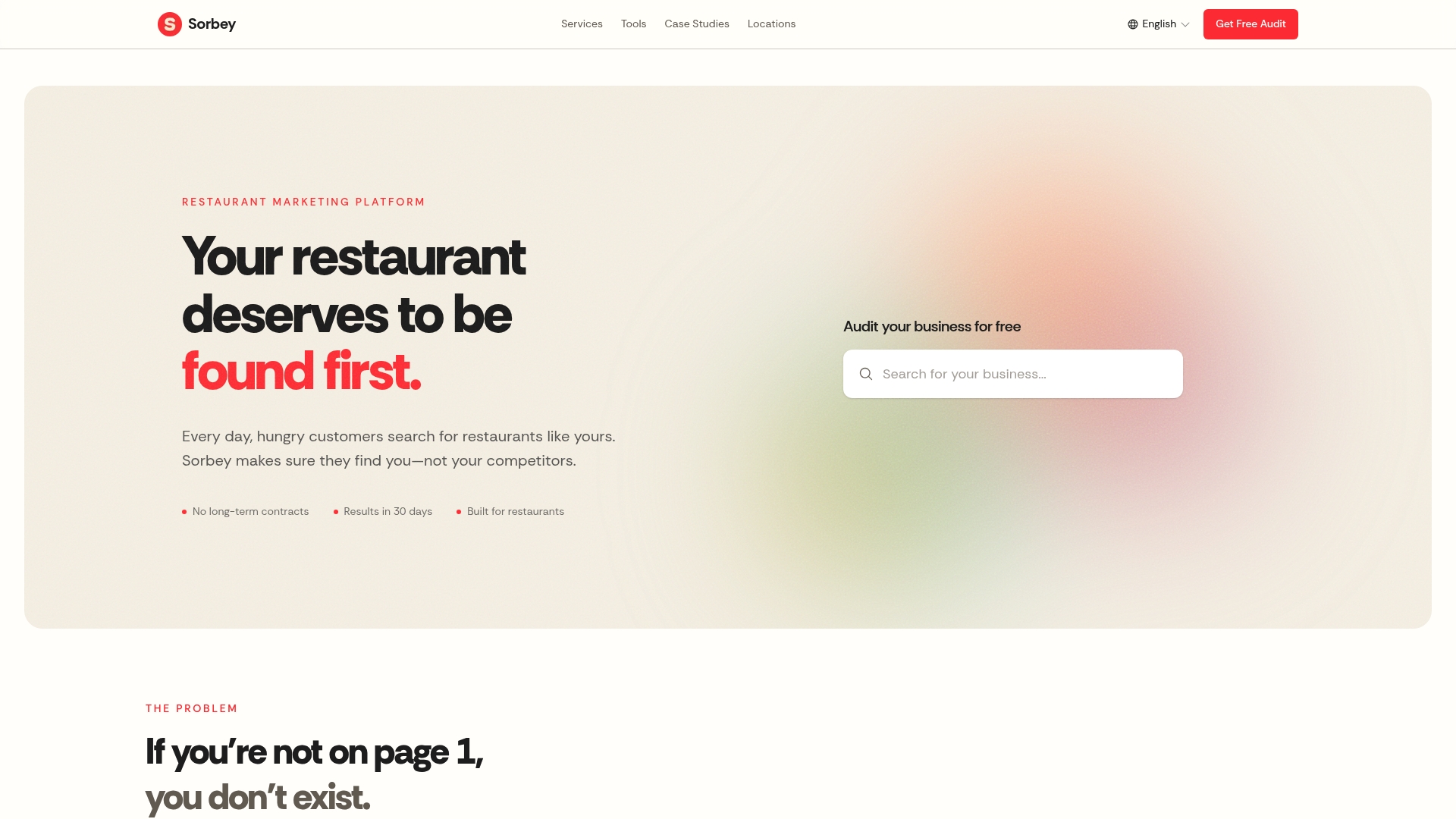
Sorbey is built for exactly this situation. As an all-in-one marketing platform for local restaurants, Sorbey supports creator discovery, campaign management, and performance measurement in one place. You can identify local micro-influencers aligned with your cuisine, manage outreach and briefs, and track reservation and engagement data tied directly to each campaign. Explore Sorbey’s restaurant marketing services to see how the platform helps you move from a single influencer post to a consistent, measurable creator program that builds your brand month over month.
FAQ
What is restaurant influencer marketing?
Restaurant influencer marketing is the practice of partnering with social media creators to promote your dining experience to their audiences. Effective campaigns prioritize authentic creator voice over scripted content.
How many followers does a restaurant influencer need?
Micro-influencers with 1,000 or more followers often outperform larger accounts for local restaurants because their audiences are more geographically relevant and more trusting of their recommendations.
Which platform works best for restaurant influencer campaigns?
TikTok drives discovery, Instagram Reels builds aspirational brand awareness, and YouTube supports long-form dining content. The best campaigns use all three with platform-specific content formats.
How do I measure the success of a restaurant influencer campaign?
Track reservation lifts, foot traffic changes, and engagement rates tied to specific creator posts. Benihana measured a 34% weekend reservation increase directly attributed to its creator campaign.
What content should restaurant influencers create?
The most effective content includes behind-the-scenes kitchen access, honest menu reviews, ingredient highlights, and immersive dining experience footage. Avoid scripted talking points and give creators a flexible brief instead.
Recommended
You might also like
Best Restaurant Loyalty Programs 2026: ROI Guide
Discover the best restaurant loyalty programs 2026 that boost repeat visits. Learn how Sorbey’s platform can transform your guest data strategy!
Why Mobile Marketing Matters for Business Growth
Discover why mobile marketing matters for business growth. Learn how optimizing for mobile drives traffic, conversions, and customer retention.
SF Dim Sum Restaurant Marketing Checklist for 2026
Transform your SF dim sum with our 2026 marketing checklist. Optimize your profile, showcase dishes, and attract customers fast!