
Blog
Unlock customer engagement: strategies for restaurants
Discover what is customer engagement and learn effective strategies to boost your restaurant’s profits and foster lasting connections with guests.
Unlock customer engagement: strategies for restaurants
TL;DR:
- Customer engagement is an ongoing emotional connection that drives repeat visits and higher spending.
- Effective engagement involves personalized interactions, digital touchpoints, staff involvement, and community ties.
- Most restaurants succeed by building genuine relationships first, then leveraging technology to scale efforts.
Most restaurant owners think customer engagement means punch cards and happy hour deals. That mental model is costing you repeat business. True engagement is the ongoing emotional and behavioral connection your guests build with your brand, your staff, and your space. It influences how often people come back, how much they spend, and whether they tell their friends. This article breaks down what real engagement looks like for restaurants, why it moves the revenue needle, which levers actually work, and how to measure your progress without needing a data science degree.
Table of Contents
- Defining customer engagement for restaurants
- The business impact of customer engagement
- Key drivers of customer engagement in restaurants
- Implementing and measuring engagement: practical steps
- Why most restaurants get engagement wrong (and how to win)
- Unlock your restaurant’s full potential with Sorbey
- Frequently asked questions
Key Takeaways
| Point | Details |
|---|---|
| Engagement defined | Customer engagement is a continuous relationship, not just discounts or loyalty points. |
| Business value | More engaged guests return often, spend more, and create organic word of mouth. |
| Key drivers | Personalization, strong branding, and digital touchpoints are critical for boosting engagement. |
| Measuring progress | Track return rates, feedback, and digital interactions to evaluate success. |
| People first | Technology helps, but authentic hospitality drives the deepest engagement. |
Defining customer engagement for restaurants
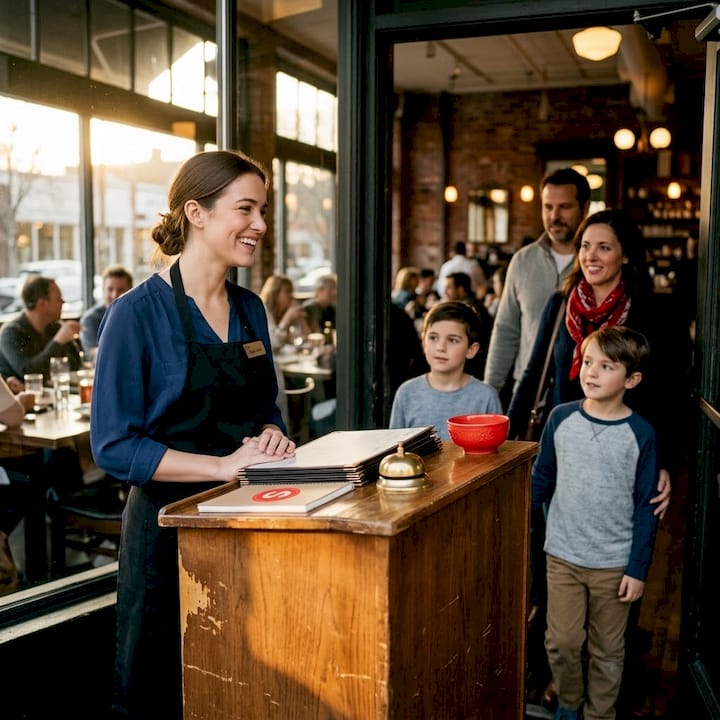
Customer engagement is not a campaign. It is not a single email blast or a free appetizer coupon. Think of it as a continuous conversation between your restaurant and your guests, one that happens before they walk in, while they are sitting at a table, and long after they have paid the check. Restaurant branding explained makes this point clearly: “customer engagement is about building ongoing, meaningful relationships that drive repeat visits.” That distinction matters, because a relationship requires effort on both sides, every single day.
Many restaurant owners confuse engagement with adjacent concepts. Here is a quick way to separate them:
| Concept | What it means for restaurants | Example |
|---|---|---|
| Customer engagement | Active, ongoing two-way interaction | Responding to a review, sending a birthday offer |
| Customer loyalty | Behavioral commitment to return | Visiting every Friday night without being prompted |
| Customer satisfaction | A snapshot of how a guest felt after a visit | Leaving a 4-star review after dinner |
Satisfaction is a moment. Loyalty is a habit. Engagement is the engine that creates both.
Tangible examples of engagement in a restaurant setting include:
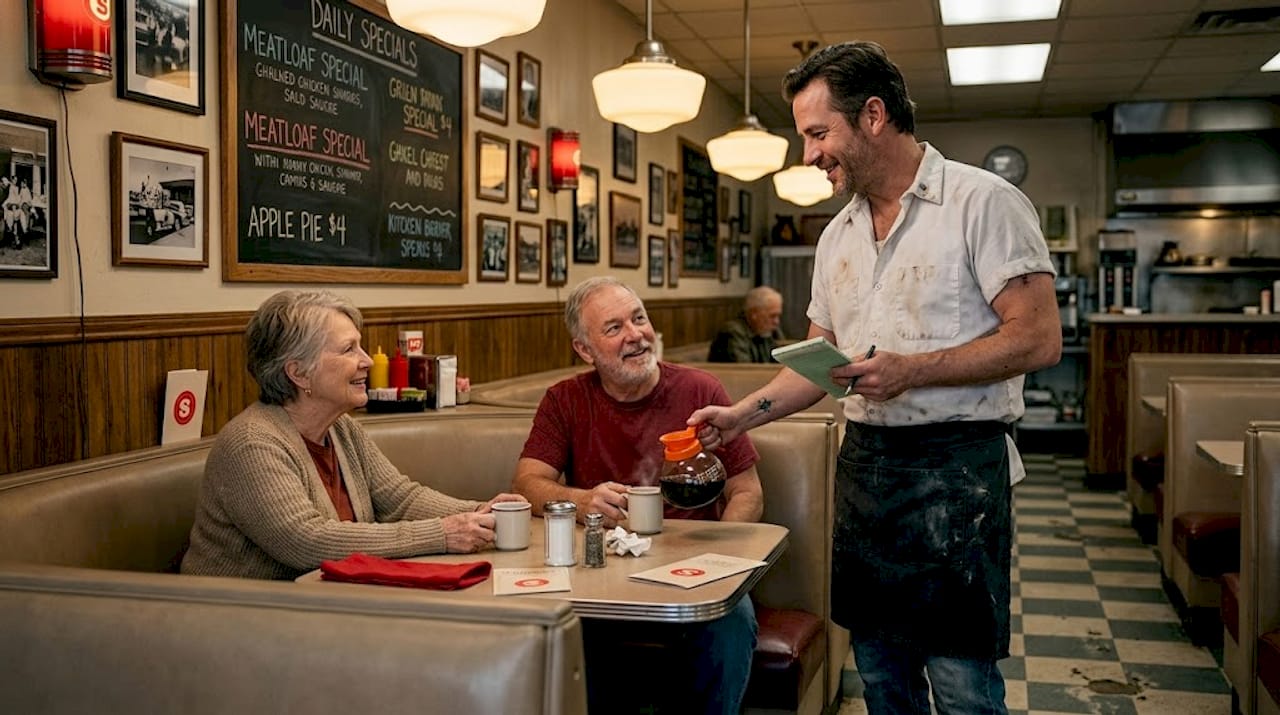
- Greeting regulars by name and referencing their usual order
- Sending a personalized email with a targeted offer based on past visits
- Asking for feedback through a short post-visit survey
- Sharing behind-the-scenes content on Instagram and responding to every comment
- Featuring locally sourced ingredients and telling the story behind them, which connects to broader community food engagement happening in cities across the U.S.
Pro Tip: Engagement is not a one-time action. Every touchpoint, from how your host answers the phone to how quickly you respond to a Google review, either builds or erodes the relationship.
Restaurants occupy a unique position in the engagement landscape. Unlike e-commerce brands or subscription services, you have the rare privilege of in-person, sensory interaction with your customer. The smell of the kitchen, the warmth of a server’s welcome, the sound of a great playlist — all of it contributes to emotional connection. That is an asset most industries cannot replicate. Use it intentionally.
The business impact of customer engagement
Understanding what customer engagement is sets the stage. Now let’s look at why it is essential for your restaurant’s bottom line, with real numbers and practical context.
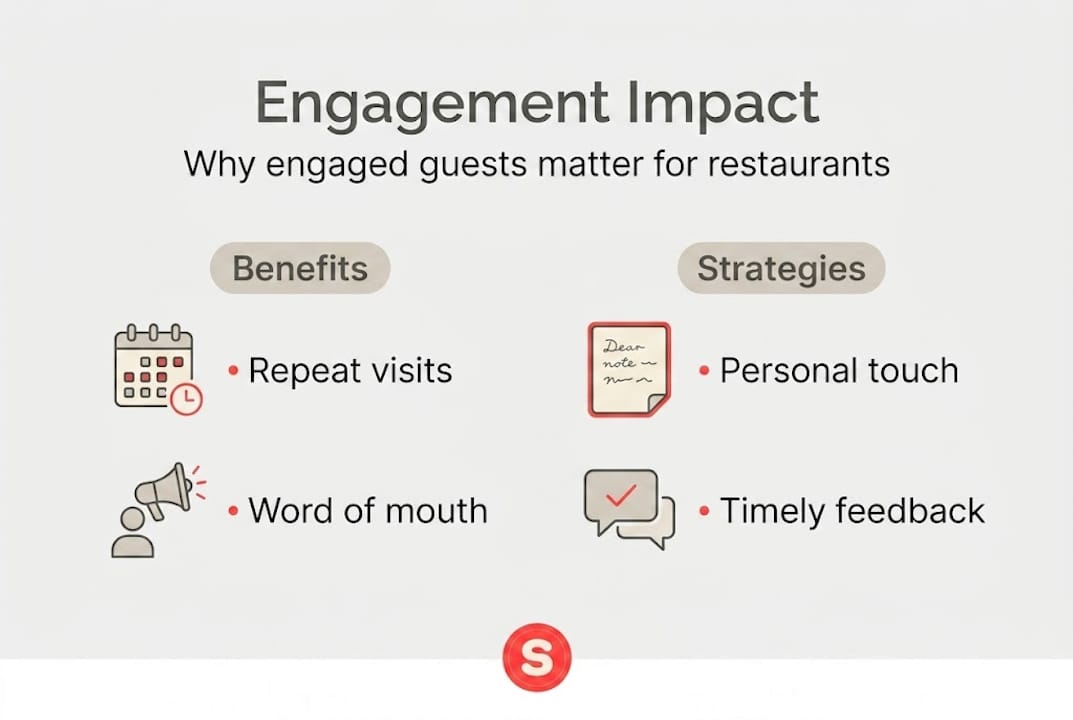
Engaged customers are more likely to return and recommend your restaurant to others. That single fact has compounding financial consequences. A guest who visits once a month is worth dramatically more over a year than one who visits once and never comes back. When you multiply that difference across hundreds or thousands of guests, the revenue gap becomes enormous.
Consider what branding strategies for engagement can look like in practice. Restaurants that have invested in structured engagement programs, whether through personalized digital outreach, loyalty tiers, or community events, consistently report measurable gains. Staying current with 2026 restaurant marketing trends shows that the gap between engaged and disengaged restaurant brands is widening, especially in competitive urban markets.
Here is a practical view of what engagement-focused initiatives tend to produce:
| Engagement initiative | Typical impact on return rate | Typical revenue effect |
|---|---|---|
| Personalized email campaigns | 15 to 25% increase in return visits | 10 to 20% higher average monthly spend |
| Post-visit feedback requests | 20% improvement in guest satisfaction scores | Reduced churn, higher table frequency |
| Social media interaction | 30% more referral traffic | Higher new guest acquisition |
| Staff recognition programs | Measurable drop in turnover | Consistency that builds guest trust |
The effects of strong customer engagement ripple through your entire operation:
- Repeat visits: Engaged guests return 30 to 50% more often than passive customers
- Social sharing: A guest who feels seen and valued is far more likely to post, tag, and recommend you organically
- Larger average order size: Trust reduces hesitation. Engaged guests explore the menu more freely and order appetizers, desserts, and premium items more often
- Referral power: Word of mouth from an engaged customer carries more credibility than any paid ad
One frequently overlooked benefit is resilience. When economic conditions tighten or a local competitor opens up nearby, restaurants with strong engagement foundations weather the storm better. Their guest base does not evaporate at the first sign of a discount elsewhere because the relationship is not purely transactional. That is a strategic advantage you cannot buy with a one-week promotion. Looking at emerging engagement trends across food culture, the restaurants that thrive long-term are the ones that build genuine community around their brand, not just followers.
Key drivers of customer engagement in restaurants
Knowing engagement works is only half the battle. Here is how to actually move the needle in your restaurant, starting with the five levers that matter most.
-
Personalized experiences: Guests want to feel like individuals, not table numbers. Remembering a regular’s food allergy, noting that a couple always celebrates anniversaries with you, or sending a birthday offer tied to their actual preferences — these small acts generate outsized loyalty. Personalized menus and standout branding directly impact engagement levels, and the menu optimization guide offers a practical framework for making your menu work harder for both profits and guest delight.
-
Digital touchpoints: Your restaurant’s digital presence is an engagement channel running 24 hours a day. A fast, mobile-friendly website, a well-maintained Google Business Profile, an easy online reservation system, and a WiFi landing page that captures emails are all low-cost, high-return touchpoints. Each one is an opportunity to start or extend a conversation.
-
Employee engagement: Your staff are the front line of every guest interaction. A disengaged server cannot create an engaged guest. Training, recognition, and genuine investment in your team’s experience directly translate into the quality of the customer experience they deliver. This is the lever most restaurant marketing advice ignores.
-
Community connections: Local restaurants have an authenticity advantage over chains. Participating in neighborhood events, sourcing from local farms, supporting school fundraisers, and celebrating local culture all deepen the sense that your restaurant belongs to the community. Exploring culinary engagement concepts shows how food experiences tied to local identity create stronger emotional bonds than generic promotions.
-
Strong branding: Consistency in your visual identity, tone of voice, and values builds recognition and trust over time. Guests who can identify your brand instantly, whether on social media, a takeout bag, or a staff uniform, feel a sense of familiarity that lowers the barrier to return.
“Engagement starts when your brand stands out from competitors.”
Pro Tip: Regularly review and update menu items based on customer feedback and seasonal preferences. A menu that evolves shows guests you are listening, which is one of the most powerful engagement signals you can send.
One critical note: not every initiative works for every audience. A downtown fine dining restaurant and a neighborhood taqueria operate in completely different engagement contexts. Test one driver at a time, measure the response, and adapt before layering in more complexity. Overcommitting to too many tactics at once is a common mistake that spreads resources thin and produces no clear learning.
Implementing and measuring engagement: practical steps
It is crucial to know not just the levers, but how to put them into action and keep them working consistently over time.
Here is a step-by-step blueprint for launching your first or next engagement initiative:
-
Audit your touchpoints: Walk through every interaction a guest has with your restaurant, from the first Google search to the post-meal email, and identify where the experience feels warm and personal versus cold and transactional. Be honest. Most audits reveal three or four obvious gaps immediately.
-
Set clear goals: Vague intentions produce vague results. Instead of “improve engagement,” define a specific, measurable outcome. For example, increase the percentage of guests who return within 60 days from 20% to 30% over the next quarter.
-
Implement one driver at a time: Pick the single highest-impact lever based on your audit and start there. If your biggest gap is digital, launch a post-visit email sequence. If it is in-person, start a server recognition program. Tech-enabled solutions like online menus are transforming the way restaurants engage guests at every stage of the dining journey, and online menus and engagement is a great starting point for restaurants looking to modernize their guest experience quickly.
-
Measure what matters: Track return rate (how many first-time guests come back within 90 days), average spend per visit, online review volume and sentiment, and direct survey responses. These four data points give you a solid baseline.
-
Iterate based on findings: After 30 to 60 days, review the numbers. What moved? What did not? Adjust the initiative, test a variation, and build from there. Engagement improvement is not linear — it compounds when you consistently act on what you learn.
Key metrics every restaurant should track regularly:
- Return rate: The percentage of guests who visit more than once in a 90-day window
- Average spend per visit: Are engaged guests ordering more?
- Online review volume: More reviews signal more interaction, even if individual ratings vary
- Net Promoter Score (NPS): A simple survey asking “How likely are you to recommend us?” on a scale of 1 to 10
- Email open and click rates: Indicators of whether your digital outreach is landing
For measurement tools, small restaurants can start with Google Analytics, a simple email platform like Mailchimp, and a free survey tool. Larger operations may benefit from a dedicated restaurant CRM. The goal is not a perfect dashboard — it is having enough signal to make better decisions than you made last month. Exploring proven restaurant marketing approaches can also help you prioritize which metrics deserve the most attention given your scale and market.
Speed matters when it comes to feedback. A guest who submits a complaint through a survey and hears back within 24 hours is significantly more likely to return than one who hears nothing. Even a brief, personal acknowledgment shows you are paying attention, which is itself a form of engagement. Think about how daily customer needs in urban markets are increasingly shaped by responsiveness and immediacy — your restaurant is not exempt from that expectation.
Why most restaurants get engagement wrong (and how to win)
Here is the uncomfortable truth most marketing articles will not tell you: the majority of restaurants that struggle with engagement are not failing because they lack the right software or a big ad budget. They are failing because they confuse activity with connection.
We have seen restaurants spend thousands on a loyalty app that collects digital dust because no one on the floor ever mentions it. We have watched beautifully designed email campaigns generate zero return visits because the in-restaurant experience did not back up the promise. Technology is a multiplier, not a foundation. If the guest experience itself is forgettable, no amount of retargeting will fix it.
The restaurants that win at engagement long-term share one thing in common: they start with people. A server who remembers a guest’s name. A manager who walks the floor and asks real questions. A chef who comes out occasionally and talks about the food. These moments, explored more deeply in deep branding lessons from successful independent operators, create the emotional residue that brings guests back. Then, and only then, does marketing technology amplify what is already working.
Start with your culture. Build genuine hospitality into your daily operations. Then use smart marketing tools to scale the relationship outward.
Unlock your restaurant’s full potential with Sorbey
You now have the frameworks, the data, and the step-by-step blueprint to move from guessing to growing when it comes to customer engagement. Knowing what to do is the first step, but execution is where most restaurants stall.
Sorbey is an all-in-one restaurant marketing services platform built specifically for local restaurants and food businesses that want to turn occasional guests into loyal regulars. From personalized email campaigns and online menu optimization to reputation management and digital analytics, Sorbey handles the operational side of engagement so you can focus on the hospitality side. Whether you are running a single location or managing multiple concepts, AI-powered restaurant marketing gives you the precision and speed that modern guest relationships demand. Book a free consultation and see the difference a focused strategy makes.
Frequently asked questions
What are the best ways to measure customer engagement in my restaurant?
Track return visits, online reviews, and customer feedback surveys to gauge engagement effectively. Tech-enabled solutions like digital menus and email platforms make this tracking far easier and more accurate than manual methods.
How is customer engagement different from loyalty?
Engagement is an ongoing, two-way relationship built through consistent interactions, while loyalty is the behavioral outcome of sustained engagement. As ongoing, meaningful relationships accumulate over time, loyalty follows naturally.
Which engagement tactics work best for small restaurants?
Personalized greetings, remembering customer preferences, and targeted offers tailored to past visits tend to generate the strongest results at small scale. Personalized menus and standout branding are two high-ROI starting points that do not require a large budget.
What role does technology play in modern customer engagement?
Technology enables personalized outreach, immediate feedback collection, and behavioral tracking that would be impossible to manage manually at scale. Online menus and digital tools are now baseline expectations for guests in major U.S. markets, not optional upgrades.
Recommended
También te puede interesar

Best Restaurant Loyalty Programs 2026: ROI Guide
Discover the best restaurant loyalty programs 2026 that boost repeat visits. Learn how Sorbey’s platform can transform your guest data strategy!

Why Mobile Marketing Matters for Business Growth
Discover why mobile marketing matters for business growth. Learn how optimizing for mobile drives traffic, conversions, and customer retention.

SF Dim Sum Restaurant Marketing Checklist for 2026
Transform your SF dim sum with our 2026 marketing checklist. Optimize your profile, showcase dishes, and attract customers fast!