
Blog
Use Video Content to Boost Restaurant Engagement and Sales
Learn how video content drives restaurant engagement and repeat visits. Discover the best formats, platforms, and strategies to fill tables and build diner loyalty.
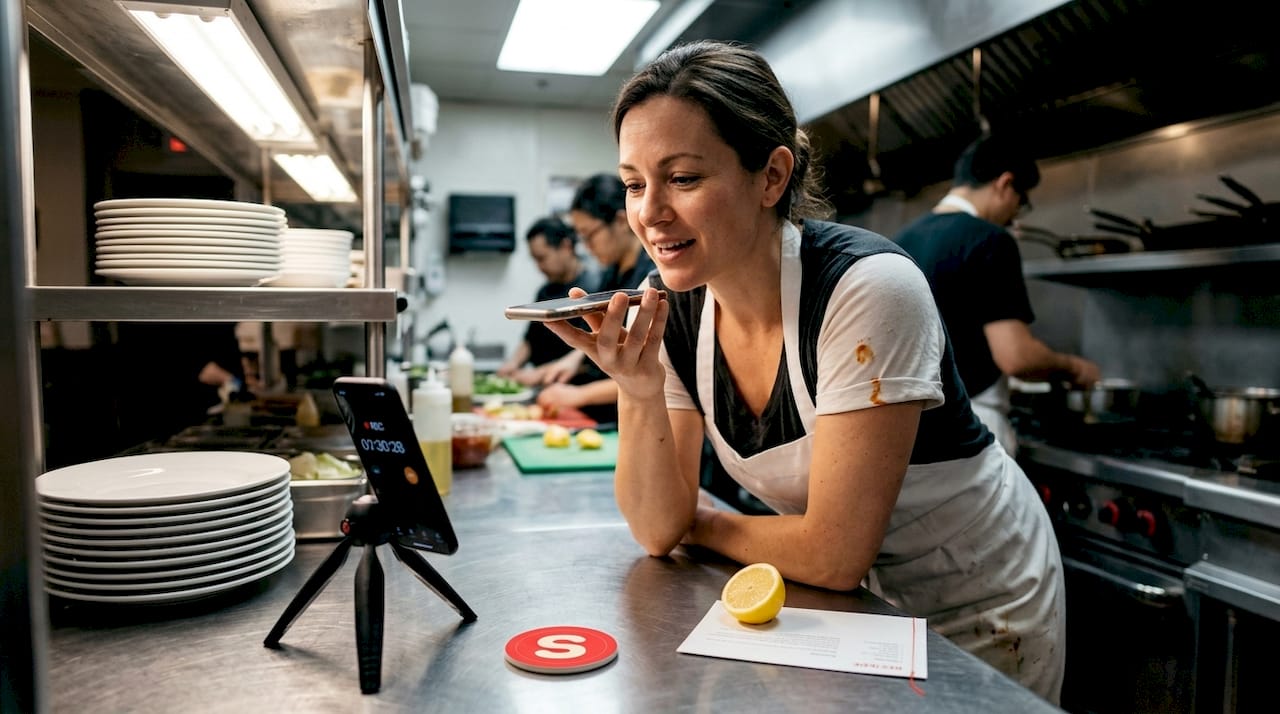
Use Video Content to Boost Restaurant Engagement and Sales
TL;DR:
- Video content significantly increases restaurant visibility and customer engagement in competitive urban markets.
- Different video formats serve various marketing stages, from menu highlights to behind-the-scenes and customer testimonials.
- Consistent, authentic, and real-time videos outperform polished ads, driving loyalty and repeat visits.
Running a restaurant in a major city means you’re competing against hundreds of options within a few miles. Print flyers and Yelp listings alone won’t cut through that noise anymore. Video content has quietly become the single most effective tool for getting diners through your door and keeping them coming back. This guide walks you through why video works, which formats deliver results, how it builds real loyalty, and exactly how to produce and share videos that move the needle for your restaurant’s bottom line.
Table of Contents
- Why video content now matters for restaurants
- Types of video content that attract diners
- How video content boosts customer engagement and loyalty
- Strategies for creating and distributing impactful restaurant videos
- A fresh take: Why most restaurants miss video content’s true potential
- Boost your restaurant’s success with Sorbey
- Frequently asked questions
Key Takeaways
| Point | Details |
|---|---|
| Video boosts engagement | Restaurants using video see much higher customer interaction than with images or text. |
| Authenticity matters | Diners respond best to genuine, unscripted video content from restaurants. |
| Right formats drive sales | Spotlight videos, menu showcases, and community clips are proven to bring diners in. |
| Consistent posting wins | Weekly video uploads across trending platforms maintain audience attention and brand loyalty. |
Why video content now matters for restaurants
The restaurant business has always been competitive, but the rules of visibility have changed dramatically. Diners in metropolitan areas now scroll through social feeds before they ever check a map. If your restaurant isn’t showing up as video content, you’re essentially invisible to a massive segment of your potential audience.
Here’s what the market looks like right now:
- Short-form video on platforms like TikTok and Instagram Reels generates 3x more organic reach than photo posts
- Live video consistently outperforms pre-recorded static ads in audience retention
- Customers expect to see your food, your atmosphere, and your team before making a reservation decision
- Metro-area restaurants that invest in video marketing report faster table turnover and stronger brand recognition
The numbers behind this shift are striking. Video engagement rates on social media significantly outperform text or image content across every major platform. That’s not a minor edge. That’s the difference between a crowded Saturday night and empty tables.
“People don’t just want to read about your restaurant. They want to feel it before they arrive. Video creates that bridge between curiosity and a confirmed reservation.”
The reason video works so well for restaurants specifically comes down to sensory anticipation. A 30-second clip of your signature dish being plated, combined with ambient kitchen sounds, triggers a craving response that no photo can replicate. Your digital marketing checklist should treat video not as a bonus add-on but as a core channel.
Restaurant marketing priorities in 2026 have firmly shifted toward digital storytelling. Eighty-four percent of people say video convinced them to visit a business. That statistic alone should reshape where you allocate your marketing budget.
Types of video content that attract diners
Not every video serves the same purpose. Different formats reach diners at different stages of their decision process, from first discovery to loyal regulars. Understanding which format to use and when is where most restaurant marketers gain a real advantage.
Here’s a breakdown of the most effective formats and their primary use cases:
| Video type | Best platform | Primary goal | Effort level |
|---|---|---|---|
| Menu spotlight | Instagram, TikTok | Drive first visits | Low to medium |
| Behind-the-scenes | Instagram Stories, YouTube | Build trust and personality | Low |
| Chef or owner story | YouTube, Facebook | Emotional connection | Medium |
| User-generated content (UGC) | TikTok, Instagram | Organic reach and credibility | Very low |
| Testimonial or review video | Facebook, Google | Reinforce decision-making | Medium |
| Event or community recap | Facebook, Instagram | Foster loyalty and community | Medium |
Different video formats serve distinct marketing goals, and mixing them strategically throughout the month keeps your feed fresh while reaching different audience segments.
Here’s a practical sequence you can build around:
- Start with menu spotlights. These are high-craving, low-production clips. Film your best-selling dish being prepared or plated. Keep it under 30 seconds.
- Add behind-the-scenes content weekly. Show your prep kitchen, your team starting the morning, or a new ingredient arriving from a local farm.
- Feature your chef or owner monthly. A short, candid story about why they do what they do builds the kind of emotional trust that earns loyal regulars.
- Collect and re-share UGC constantly. When a diner posts a video of their meal, that’s free, authentic advertising. Repost it with credit.
- Document your events. Community dinners, holiday specials, and cooking demos all make compelling recap videos.
Pro Tip: Don’t overthink production value. A steady smartphone, good natural lighting, and genuine enthusiasm from your team will outperform an overproduced ad that feels corporate. Diners connect with realness, and you can explore more proven marketing types that complement video in your overall strategy.
How video content boosts customer engagement and loyalty
Knowing which videos to make is useful, but understanding why video changes diner behavior is what helps you invest with confidence.
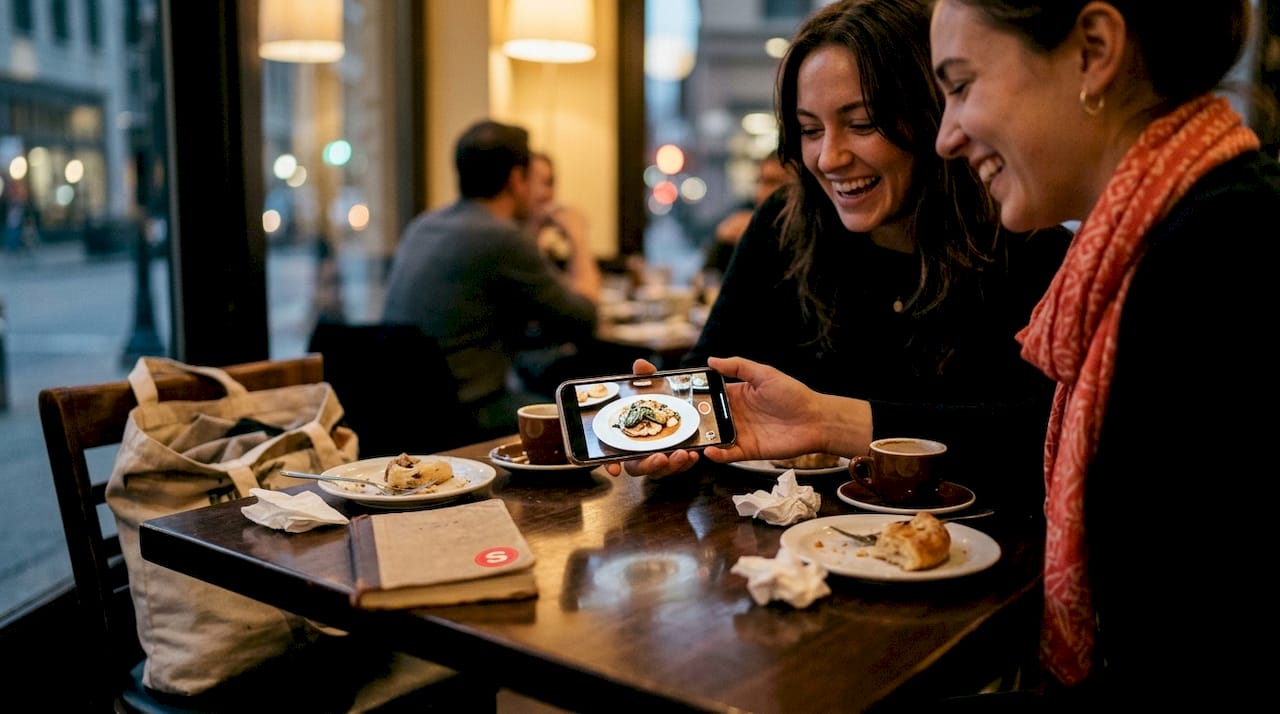
Video works because it’s emotional. A quick clip of your team laughing together during prep, or a regular customer sharing their favorite dish, activates the same social trust signals as a personal recommendation. People share what they feel, not just what they like.
Here’s what engagement data consistently shows:
- Videos generate 1,200% more shares than text and images combined
- Diners who watch a restaurant’s video content are significantly more likely to make a reservation within 24 hours
- Loyalty programs promoted via video outperform text or email campaigns in conversion rates
- Live cooking demos and Q&A sessions build community in ways that no static post can replicate
Restaurants using consistent video see a 110% increase in engagement across their social channels, a gap that keeps widening as more of their competitors ignore it.
| Metric | Before video strategy | After video strategy |
|---|---|---|
| Weekly social shares | 12 average | 47 average |
| Monthly new visitors | 180 | 310 |
| Repeat diner rate (monthly) | 22% | 38% |
| Loyalty program sign-ups | 15/month | 42/month |
The repeat diner number in that table is the one to focus on. New traffic is great, but a restaurant’s real profit engine is the customer who comes back every two weeks. Video builds that relationship consistently.
Pro Tip: Host a live cooking demo or “ask the chef” session once a month on Instagram Live or Facebook Live. The real-time interaction creates a sense of belonging that turns casual fans into regulars. Pair this approach with the tactics outlined in our guide on how to promote your restaurant online for maximum impact.
Strategies for creating and distributing impactful restaurant videos
So, how can restaurant marketers turn these insights into practical actions? The process is simpler than most people assume, and the returns come faster than with almost any other marketing channel.
Follow this production and distribution sequence:
- Plan your content calendar. Map out four weeks of video themes. Rotate menu spotlights, behind-the-scenes, and community content so your feed stays varied.
- Shoot in short sessions. Block 20 minutes twice a week for filming. You don’t need a full production day. Capture three to five short clips per session.
- Edit with free or low-cost tools. CapCut, InShot, and even native Instagram editing tools handle everything most restaurants need. Add captions always, since most viewers watch without sound.
- Optimize before you post. Write keyword-rich captions, use location tags, and add relevant hashtags. This matters for how platforms surface your content to new viewers, and it directly connects to SEO for restaurant videos that drives organic discovery.
- Distribute across platforms strategically. Post Reels and TikToks for discovery. Use Stories for daily touchpoints. Save your longer, story-driven content for YouTube or Facebook.
Consistent video publishing increases brand recall and drives customer action at every stage of the purchase decision. This isn’t anecdotal. Restaurants that commit to a regular video cadence see compounding results over 60 to 90 days.
“Video is your digital handshake. Use it to make a memorable first impression.”
Integrate video into your wider marketing funnel too. Embed short clips on your reservation page, attach video testimonials to your Google Business profile, and use brief clips in email campaigns to drive open rates. The video marketing strategies that win in 2026 are the ones that treat video as infrastructure, not decoration.
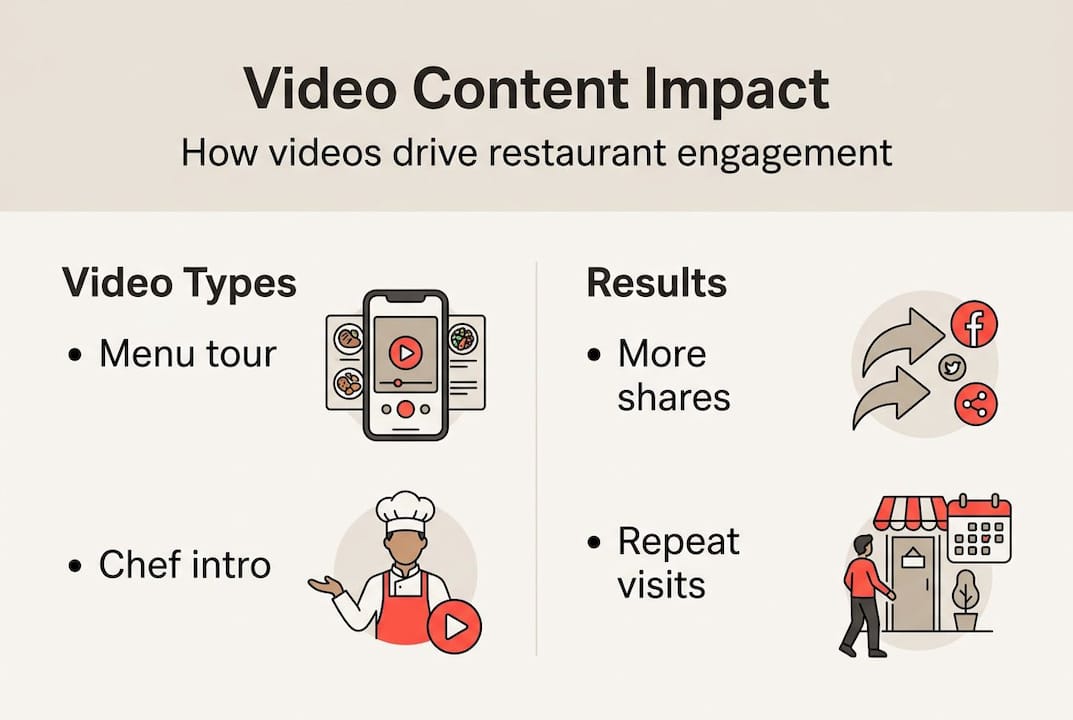
Pro Tip: Feature real staff members by name and let them speak unscripted. Diners bond with people, not brands. When a regular sees a server they recognize in a video, that’s the moment a one-time visitor becomes a loyal customer.
A fresh take: Why most restaurants miss video content’s true potential
Here’s something most marketing guides won’t tell you: the restaurants spending the most on video production are often the ones seeing the worst results.
Over-polished content looks like an ad, and people scroll past ads. The most effective restaurant videos we’ve seen come from owners filming a Tuesday prep shift on their phone, or a line cook explaining why they use a specific spice. Nobody planned those videos. They just happened, and they went viral.
Most restaurant owners treat video as a “nice-to-have” that lives somewhere between the signage budget and the dessert menu redesign. That’s a costly mistake. Video is a direct revenue driver. Every view is a potential diner making a decision about where to eat tonight.
The other thing restaurants consistently get wrong is inconsistency. They post five videos in a week after reading an article like this one, then go silent for a month. That pattern actually hurts your algorithmic reach more than posting nothing at all.
Consistency, authenticity, and genuine storytelling are the three pillars of video that converts. Check out real-world marketing lessons from restaurants that have cracked this formula to see what sustainable success actually looks like.
Boost your restaurant’s success with Sorbey
Putting all of this into practice takes more than good intentions. It takes a coordinated system that ties your video content to your reservations, reviews, and overall digital presence.
Sorbey is built specifically for restaurants like yours. From end-to-end marketing services that include video strategy and content planning, to a dedicated marketing ROI calculator that shows exactly what your video investment is returning, every tool is designed to help metro-area restaurants grow. If you’re ready to stop guessing and start converting viewers into loyal diners, explore what Sorbey offers and see how video fits into a complete marketing system built for your business.
Frequently asked questions
What kind of video performs best for restaurants?
Short, authentic videos highlighting menu items or behind-the-scenes moments typically get the highest engagement. Short-form videos consistently outperform static content for audience engagement and shares.
How often should my restaurant post new videos?
Aim to post at least once per week to maintain audience interest and keep your brand top of mind. Consistent video publishing leads to stronger brand recall and higher customer action rates over time.
Can I make effective restaurant videos without professional equipment?
Absolutely. Many diners actively prefer smartphone-filmed content because it feels real and relatable rather than staged. Authentic, unscripted content drives stronger audience connection than polished production in most cases.
Which platforms should I prioritize for my restaurant videos?
Focus on Instagram Reels, TikTok, and Facebook first, since these platforms drive the strongest engagement for restaurant content. Trending social platforms for restaurants in 2026 reward short, visually rich, and consistently posted video content.
Recommended
Vous pourriez aussi aimer
Best Restaurant Loyalty Programs 2026: ROI Guide
Discover the best restaurant loyalty programs 2026 that boost repeat visits. Learn how Sorbey’s platform can transform your guest data strategy!
Why Mobile Marketing Matters for Business Growth
Discover why mobile marketing matters for business growth. Learn how optimizing for mobile drives traffic, conversions, and customer retention.
SF Dim Sum Restaurant Marketing Checklist for 2026
Transform your SF dim sum with our 2026 marketing checklist. Optimize your profile, showcase dishes, and attract customers fast!