
Blog
Restaurant Email Marketing Checklist for 2026
Boost your restaurant's success with this essential email marketing checklist. Maximize ROI and drive customer loyalty with expert tips!

Restaurant Email Marketing Checklist for 2026
TL;DR:
- Restaurant email marketing can generate high returns when technical setup, list management, content, automation, and measurement are properly executed. Ensuring domain authentication, segmentation, clear content, and regular audits improves deliverability and engagement. Automated flows like welcome and re-engagement emails significantly boost revenue, making thorough testing and list hygiene essential.
An email marketing checklist is a precise list of tasks restaurant owners must complete before sending any campaign to ensure effectiveness, compliance, and real revenue impact. Restaurant email marketing can deliver $36 ROI for every $1 spent, making it one of the highest-return channels available to local food businesses. This guide covers every critical step: technical setup, list management, content design, automation flows, and performance measurement. Follow it consistently and your campaigns will reach more inboxes, drive more reservations, and build lasting customer loyalty.
1. What belongs on your email marketing checklist first: technical setup
Technical setup is the foundation of every successful restaurant email campaign. Without it, even the best content never reaches the inbox.
Domain authentication is non-negotiable. DKIM, DMARC, and SPF are domain authentication protocols that inbox providers like Gmail, Yahoo, and Microsoft enforce strictly. They verify your identity and block phishing attempts. If these records are missing or misconfigured, your emails land in spam or get blocked entirely.
Compliance requirements have teeth. Google, Yahoo, and Microsoft now require mandatory one-click unsubscribe links and a spam complaint rate below 0.3%. Exceeding that threshold triggers throttling or outright blocking. For restaurants sending weekly specials or event invites, that means one bad campaign can damage your sender reputation for months.
Rendering matters across every device. Use tools like Litmus or Email on Acid to preview your email across Gmail, Apple Mail, Outlook, and mobile clients before sending. A broken layout on iPhone kills click-through rates regardless of how good your offer is.
- Authenticate your domain with SPF, DKIM, and DMARC records
- Add a one-click unsubscribe link in every email footer
- Keep spam complaint rates below 0.3%
- Use a consistent “From” name and email address
- Test rendering on at least 5 major email clients before sending
Pro Tip: Set a fixed sending schedule, such as every tuesday at 11 a.m., to train inbox providers to expect your emails. Consistency signals legitimacy and improves deliverability over time.
2. How to build and manage your restaurant email list
List quality beats list size every time. A smaller list of engaged diners outperforms a massive list of cold contacts who never open your emails.
Start with clean opt-ins. Every subscriber should know what they signed up for. Tell them at the point of signup whether they will receive weekly specials, event invites, or loyalty rewards. Clear expectations reduce unsubscribes and spam complaints. For detailed tactics on growing your list the right way, the Sorbey guide on building a restaurant email list covers current best practices.
Segmentation is the difference between relevant and ignored. Segmentation and dynamic content are proven pillars of inbox success. For restaurants, the most useful segments include dining frequency, food preferences, location, and behavioral triggers like last visit date. A customer who orders delivery every Friday responds to different messaging than a first-time diner who visited once for a birthday.
- Collect opt-ins with explicit consent and stated expectations
- Segment by dining frequency, location, and food preferences
- Use lead magnets like exclusive menus, birthday offers, or event invites
- Remove inactive subscribers every 90 days
- Tag customers by behavioral triggers such as last visit or order type
Pro Tip: Use a preference center in your welcome email. Ask subscribers to choose their interests, such as happy hour deals, new menu items, or private events. That single step improves personalization without requiring complex data analysis.
Treating email strategy as infrastructure means doing regular list hygiene, not just before a big campaign. Neglecting this creates what experienced marketers call “zombie systems”: lists full of invalid addresses that tank deliverability and make your metrics meaningless.
3. Content and design checklist items for restaurant campaigns
Strong restaurant email content does two jobs at once. It convinces a human to click, and it satisfies the AI-powered filters that decide whether your email reaches the inbox at all.
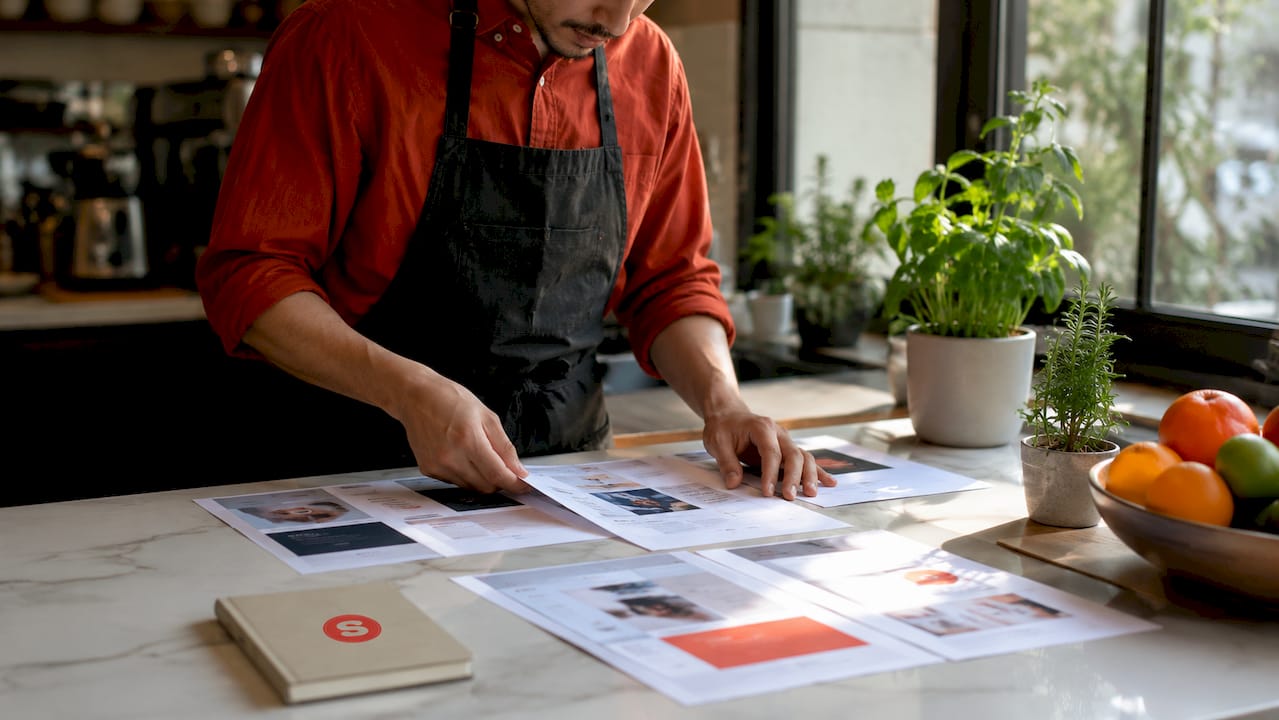
Front-load your value. Email content optimized for AI gatekeepers uses semantic structures and front-loaded value propositions. Think of it like SEO: put the most important information in the first sentence of your email body, not buried after three paragraphs of brand storytelling. Inbox AI summaries pull from the top of your message, so a weak opener means a weak preview line.
Copy quality directly affects deliverability. Spam trigger words, typos, and vague subject lines all increase the chance your email gets filtered. Use Grammarly to catch errors before sending. Write subject lines that are specific, such as “Your free dessert expires friday” rather than “A special offer just for you.”
- Write a subject line under 50 characters with a clear benefit
- Use one primary CTA per email, such as “Reserve your table” or “Order now”
- Avoid spam trigger words like “FREE!!!” or “Act immediately”
- Design with a Z or F-pattern layout so the eye moves naturally to the CTA
- Use semantic heading tags (H1, H2) inside the email HTML for AI optimization
- Include alt text on every image for accessibility and plain-text fallback
- Test the preview text, which appears next to the subject line in most inboxes
Pro Tip: Use dynamic content blocks to show different menu items or offers to different segments within a single email template. You get the personalization of multiple campaigns without the production time.
4. Which automated flows should be on every restaurant’s checklist
Automation is where restaurant email marketing pays off most. Automated emails generate 41% of total email revenue while accounting for only 5.3% of total emails sent. That ratio makes automation the single highest-leverage item on any email marketing strategy.
“The real revenue power of email marketing comes from automated lifecycle flows such as welcome messages and abandoned cart series, outperforming manual campaigns by a wide margin.” — WordStream, 2026
The four flows every restaurant must have running are:
- Welcome series. Send within 5 minutes of signup. Introduce your restaurant, set expectations, and include a first-visit offer. This is your highest-open-rate email and your best chance to convert a subscriber into a paying customer.
- Post-visit survey. Trigger 24 hours after a confirmed visit or order. Ask one question. Short surveys get completed; long ones get ignored. Use the data to segment happy customers for review requests.
- Re-engagement flow. Target subscribers who have not opened an email in 90 days. Send a single “We miss you” email with a strong offer. If they do not engage, remove them from your active list.
- Abandoned online order reminder. If your restaurant uses online ordering, a single reminder email sent 30 minutes after cart abandonment recovers a meaningful share of lost orders.
Pro Tip: Apply human-in-the-loop review to any AI-generated content in your automated flows. Human oversight on AI email content produces measurably higher quality results and protects your brand voice from errors or off-brand phrasing.
Check your flows quarterly. Verify that triggers fire correctly, that links work, and that the offers are still relevant. A broken welcome email is worse than no welcome email.
5. How to measure and test your restaurant email campaigns
Measurement without clear goals produces data, not decisions. Set revenue-linked targets before you send, not after.
Track the metrics that connect to money. Click-through rate, conversion rate, and revenue per email matter more than open rate alone. Since Apple’s iOS 15 privacy changes inflated open rates artificially, open rate is no longer a reliable standalone metric. Use click-through rate as your primary engagement signal.
A/B testing works best with one variable. Testing one variable at a time within a statistically meaningful sample produces reliable results. Test subject lines in one send, then test send times in the next. Testing two variables simultaneously makes it impossible to know which change drove the result.
- Track click-through rate, conversion rate, and revenue per email
- Run A/B tests on one variable per campaign: subject line, send time, or CTA
- Monitor spam complaint rates weekly, not just after campaigns
- Use segment-level reporting to see which customer groups respond best
- Audit your automation flows every quarter for broken links and outdated offers
Building email as infrastructure means treating measurement as a recurring task, not a post-campaign review. Restaurants that check deliverability and list health monthly catch problems before they compound into serious performance drops.
Key takeaways
A restaurant email marketing checklist that covers technical setup, list health, content quality, automation, and measurement is the most direct path to consistent revenue from email.
| Point | Details |
|---|---|
| Authenticate your domain | Set up SPF, DKIM, and DMARC records before sending a single campaign. |
| Segment your list | Divide subscribers by dining frequency, preferences, and behavior for relevant messaging. |
| Automate lifecycle flows | Welcome, post-visit, and re-engagement emails drive the majority of email revenue. |
| Test one variable at a time | A/B test subject lines, send times, or CTAs separately to get reliable results. |
| Maintain list hygiene monthly | Remove inactive subscribers regularly to protect deliverability and sender reputation. |
What I have learned from years of restaurant email campaigns
Restaurant owners often ask me whether they should focus on growing their list or improving their existing campaigns. The answer is almost always the same: fix the foundation first.
I have seen restaurants with 500 engaged subscribers outperform competitors with 10,000 cold contacts. The difference is always technical hygiene and automation. When your domain is authenticated, your flows are running, and your list is clean, every new subscriber you add compounds in value. When the foundation is broken, more subscribers just means more emails landing in spam.
The part most restaurant owners underestimate is the content quality check for automated flows. It is easy to set up a welcome series once and forget it. But menus change, offers expire, and brand voice evolves. An automated email that references a discontinued dish or a promotion from two years ago does real damage to customer trust. Quarterly audits of every automated flow are not optional if you want email to perform consistently.
My honest concern with AI-generated email content is not the quality of the first draft. It is what happens six months later when no one has reviewed the flows. Human oversight on AI content produces measurably better results. Build that review step into your calendar, not just your intentions.
The restaurants that win with email treat it like a kitchen: clean it regularly, check the equipment, and never send something out without tasting it first.
— Barthelemy
How Sorbey helps restaurants run better email campaigns
Restaurant email marketing has a lot of moving parts. Sorbey brings list management, automation, and campaign analytics together in one place built specifically for local food businesses.
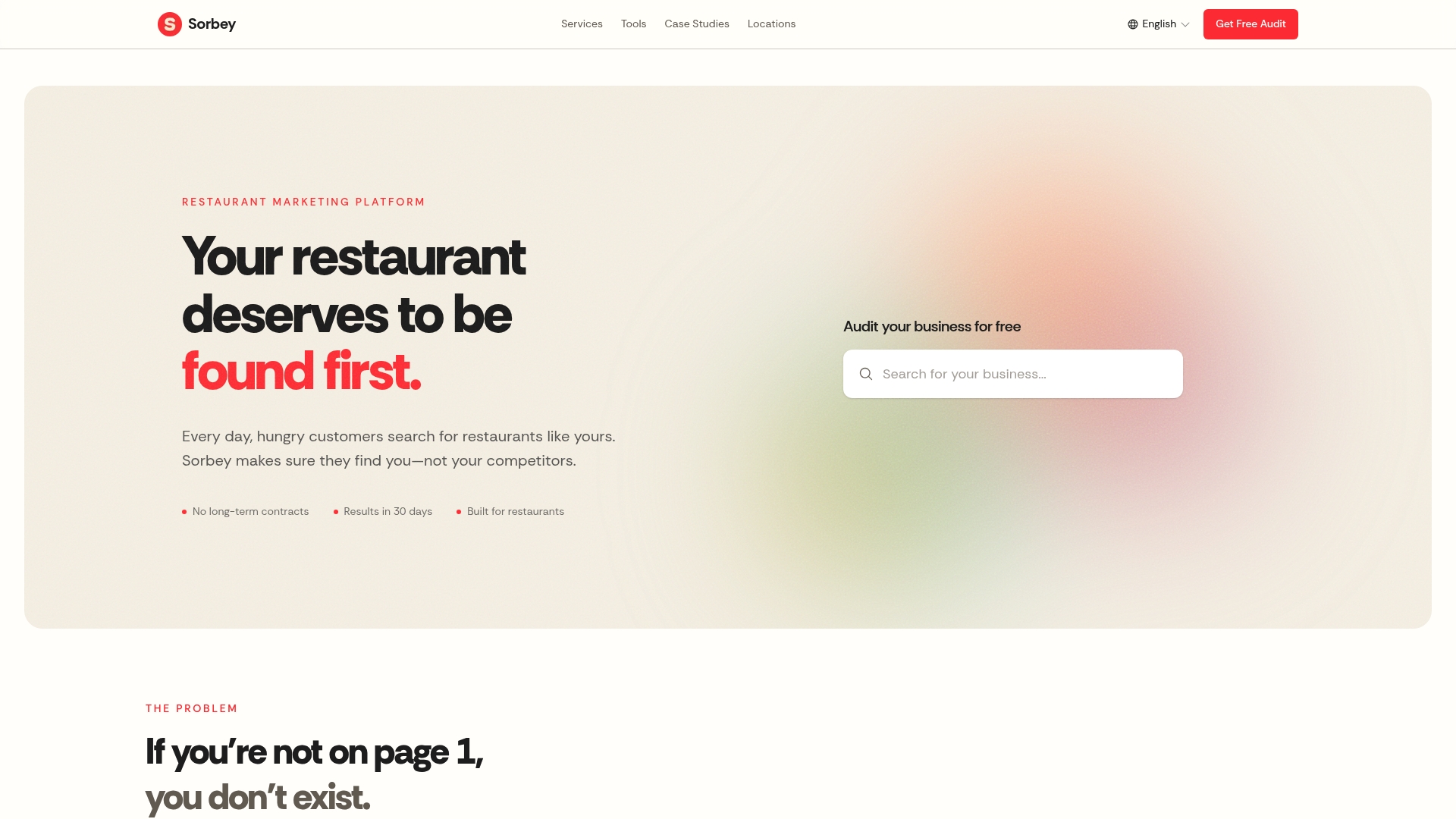
Sorbey’s restaurant marketing services cover the full checklist: domain authentication guidance, pre-built automation flows for welcome series and re-engagement, segmentation tools designed around dining behavior, and reporting dashboards that track revenue per campaign. You do not need a marketing team to run email that performs. Sorbey handles the infrastructure so you can focus on running your restaurant. If you want to see what a well-built email marketing workflow looks like in practice, Sorbey’s blog walks through the full setup.
FAQ
What is an email marketing checklist for restaurants?
An email marketing checklist is a structured list of tasks to complete before, during, and after every campaign. For restaurants, it covers domain authentication, list segmentation, content review, automation flow checks, and performance tracking.
How often should restaurants clean their email list?
Remove inactive subscribers every 90 days. Regular list hygiene keeps spam complaint rates below the 0.3% threshold required by Gmail, Yahoo, and Microsoft to avoid throttling.
Why do automated emails matter more than regular campaigns?
Automated lifecycle emails generate 41% of total email revenue from only 5.3% of total emails sent. Welcome series, post-visit surveys, and re-engagement flows deliver far higher returns than one-off broadcast campaigns.
What is the most important technical step before sending a restaurant email?
Domain authentication with SPF, DKIM, and DMARC is the single most critical technical step. Without it, inbox providers like Gmail and Yahoo will block or filter your emails regardless of content quality.
How do I improve email open rates after iOS 15?
Shift your primary metric from open rate to click-through rate, since Apple’s Mail Privacy Protection inflated open rates artificially. Focus on subject line clarity, send time testing, and list segmentation to drive genuine engagement.
Recommended
Potrebbe interessarti anche

Why Is Online Branding Important for Restaurants?
Discover why is online branding important for restaurants. Build trust, enhance visibility, and attract more diners with effective digital branding.

What Is Community Marketing? A Guide for Brands
Discover what community marketing is and how it boosts customer loyalty and engagement. Learn strategies to build brand-centered communities.

Restaurant Lead Generation Workflow: Your 2026 Guide
Master the restaurant lead generation workflow in 2026. Discover essential tools and strategies to attract and convert diners effectively.