
Blog
Build a restaurant email marketing workflow that drives results
Unlock success with a restaurant email marketing workflow that drives reservations and revenue. Transform your emails into effective campaigns!
Build a restaurant email marketing workflow that drives results
TL;DR:
- A structured, automated email workflow tailored for restaurants can transform inbox silence into increased reservations and revenue.
- By mapping clear goals, building engaged audiences through permission-based methods, and designing personalized sequences, restaurants boost response rates and customer loyalty.
Your restaurant sends out an email, and then nothing happens. No reservations spike. No reply-all excitement. Just another campaign disappearing into crowded inboxes across the city. For busy restaurant owners and marketing managers juggling staff schedules, food costs, and daily service, that silence is demoralizing. The good news: the problem is almost never your offer. It’s your workflow. A structured, automated email marketing workflow built specifically for restaurants can turn that silence into a steady stream of returning guests and real revenue.
Table of Contents
- Map your goals and requirements
- Build and segment your audience effectively
- Design high-performance email workflows
- Optimize, monitor, and re-engage
- Why authentic, audience-driven emails outperform marketing clichés
- Take your restaurant’s email marketing to the next level
- Frequently asked questions
Key Takeaways
| Point | Details |
|---|---|
| Permission-based list building | Adding guest emails through QR codes, WiFi, and loyalty programs drives long-term success. |
| Audience segmentation | Segmenting by guest behavior and preferences achieves higher opens and returns. |
| Automation and personalization | Automated and personalized messages keep guests engaged and increase return visits. |
| Authenticity matters | Honest, audience-specific messaging outperforms generic campaigns and builds trust. |
| Consistent optimization | Regularly review metrics and re-engage inactive subscribers to maximize results. |
Map your goals and requirements
Once you understand why most restaurant emails don’t perform, it’s time to map out what a successful workflow needs to accomplish and which tools can handle the job.
Every effective workflow starts with a clear purpose. Vague goals produce vague results. Before you send a single email, get specific: Are you trying to increase weekday reservations by 15 percent? Re-engage guests who haven’t visited in 60 days? Grow your average check size by promoting a new tasting menu? Each objective calls for a different message, audience, and timing.
Here are the core goals most metropolitan restaurant operators should build around:
- Drive table reservations through targeted pre-weekend and event-based campaigns
- Re-engage dormant guests who visited once and haven’t returned
- Build loyalty by rewarding your best regulars with early access and exclusive offers
- Increase average check size through upsell content like wine pairings and add-ons
- Promote seasonal menus and limited-time experiences before they sell out
Before you choose a platform, review the performance benchmarks you’re working toward. Restaurant email marketing campaigns consistently outperform most other industries: open rates fall between 35 and 45 percent (double the all-industry average), welcome emails hit up to 91 percent open rates, click-through rates average around 2 percent, and segmented campaigns produce 65 percent higher opens. The ROI benchmark is striking: $42 back for every $1 spent.
| Platform | Best for | POS integration | Automation depth |
|---|---|---|---|
| Klaviyo | Data-driven segmentation | Yes (many POS) | Advanced |
| Mailchimp | Beginners, small budgets | Limited | Moderate |
| ActiveCampaign | Complex automation | Yes (via integrations) | Advanced |
| Sorbey | Local restaurant marketing | Yes | All-in-one |
Permission-based compliance is non-negotiable. Under CAN-SPAM and local privacy regulations, every contact on your list must have opted in voluntarily. A solid marketing workflow for results documents how contacts entered your list, honors unsubscribes within 10 business days, and stores consent records securely.
Pro Tip: Write out your top three email marketing goals before you log into any platform. Attach specific numbers to each one. When you can say “I want 20 more midweek reservations per month from email,” you can reverse-engineer exactly what workflow you need.
Build and segment your audience effectively
With your goals and tools in hand, the next step is building and maintaining the highest-value audience for your emails.
A large list full of disengaged contacts is worse than a small, engaged one. High bounce rates and low open rates train email providers like Gmail and Outlook to send your future messages straight to spam. Quality always wins over quantity here.
Permission-based collection methods that actually work
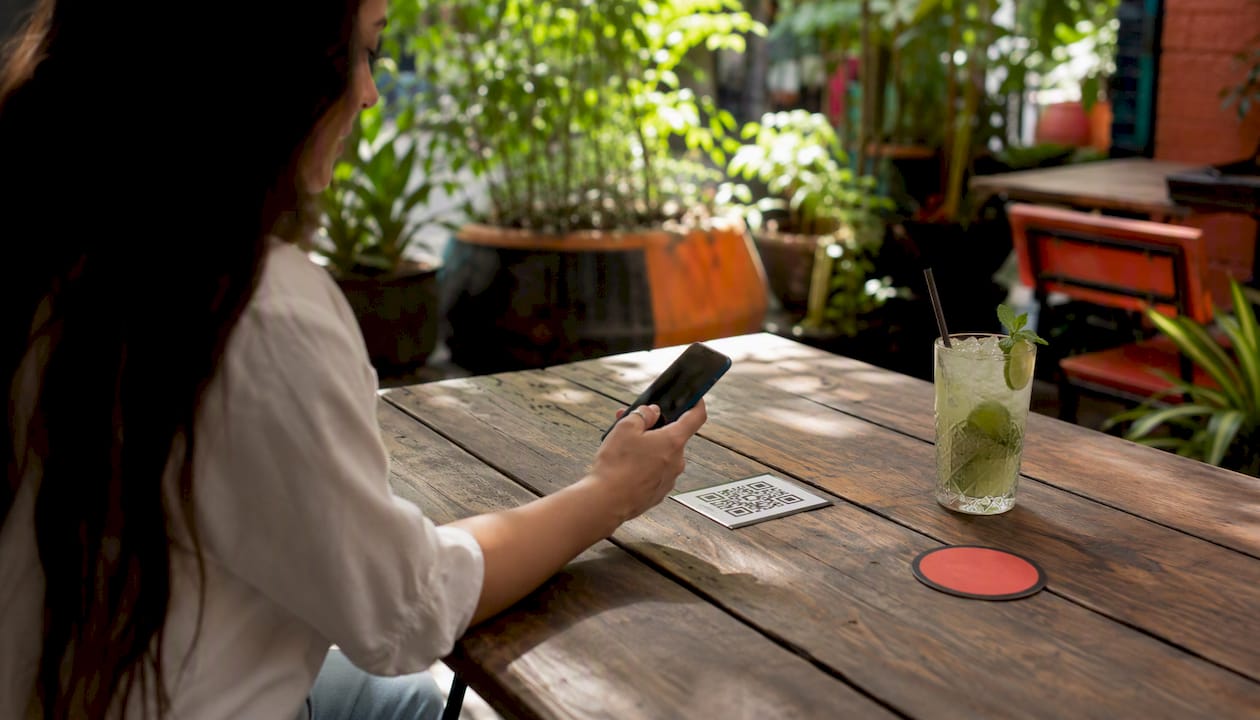
- QR code sign-ups at the table placed on menus, table tents, or printed receipts with a clear value offer (“Sign up for exclusive specials and priority reservations”)
- WiFi access opt-in where guests enter their email to access your restaurant’s network during their visit
- Loyalty program enrollment tied to a points system or birthday reward that creates real motivation to sign up
- Online reservation confirmation where guests opt in to marketing emails at checkout
- Social media lead ads targeting your local zip codes, especially effective for new locations
These permission-based list building methods not only keep you compliant but produce contacts who actually want to hear from you.
| Segment | Criteria | Campaign type |
|---|---|---|
| New subscribers | Signed up in last 7 days | Welcome series (3 emails) |
| Regulars | Visited 4+ times in 90 days | VIP early access, loyalty rewards |
| Occasional visitors | 1 to 3 visits in 90 days | Engagement nudges, seasonal offers |
| Dormant guests | No visit in 60 to 180 days | Re-engagement sequence |
| High spenders | Above-average check size | Premium upsell, chef’s table invites |
Once you have segments defined, map out your welcome series. The first email goes out immediately after signup and should deliver on whatever promise brought them to your list. The second, three to five days later, tells your restaurant’s story and sets expectations. The third introduces a concrete offer tied to their next visit.
A smart segmentation strategy is the backbone of proven restaurant email ROI growth. Restaurants that segment by visit frequency and spending behavior see dramatically better results than those who blast the same message to their entire list.
Pro Tip: Sync your email platform with your POS system. When a guest’s purchase data flows directly into your email tool, you can trigger automated campaigns based on real behavior, such as sending a “We haven’t seen you lately” email exactly 45 days after a guest’s last visit.
Design high-performance email workflows
Once you’ve built your list and defined segments, it’s time to set up workflows that run on autopilot and deliver the right message to each guest type.
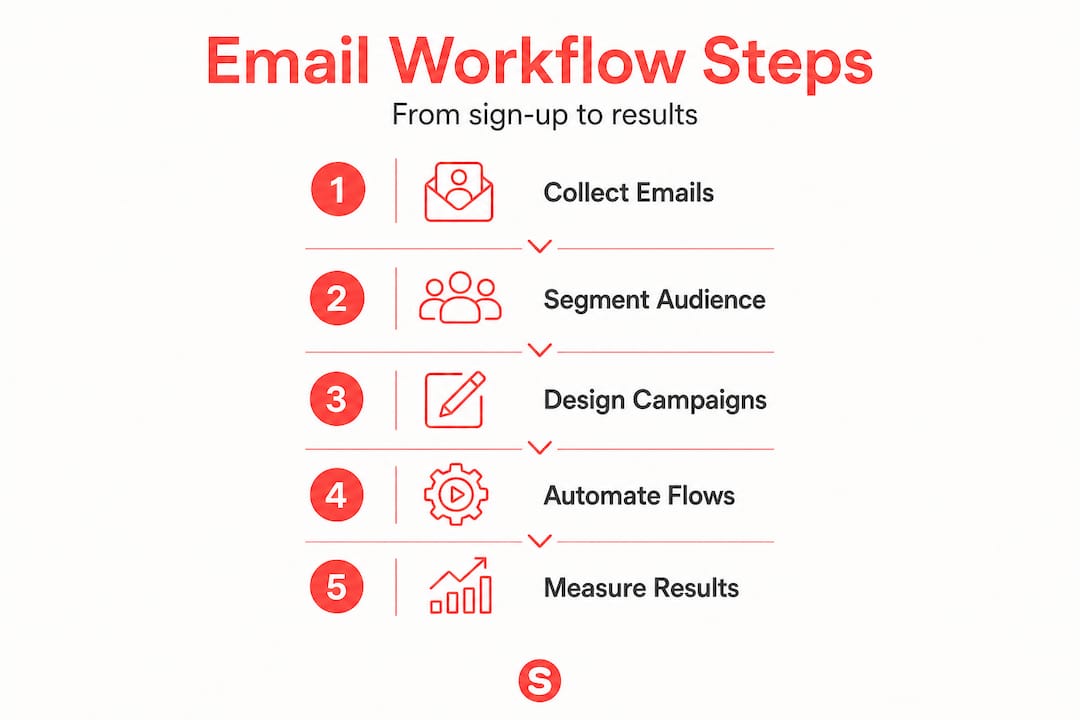
Think of an email workflow as a conversation tree. Based on what a guest does (or doesn’t do), they move through a sequence designed specifically for their situation. This removes the guesswork and keeps your messaging relevant.
Core workflows every metro restaurant should build:
- New signup flow: Welcome email, brand story, introductory offer, reservation prompt
- Regular guest flow: Monthly loyalty updates, early menu previews, appreciation messages
- VIP flow: Chef table invites, exclusive event access, handwritten-style personalized notes
- Dormant guest flow: “We miss you” message, compelling reason to return, final win-back attempt
- Post-visit flow: Review request, related offer, invitation to follow your seasonal specials
Technical deliverability best practices matter more than most restaurant marketers realize. SPF (Sender Policy Framework), DKIM (DomainKeys Identified Mail), and DMARC (Domain-based Message Authentication, Reporting, and Conformance) are email authentication protocols that tell inbox providers your emails are legitimate. Without them, even your best campaigns risk landing in spam.
Key stat: Personalization in email marketing increases repeat visits by up to 20 percent, according to industry data across hospitality verticals.
Subject lines deserve obsessive attention. In a crowded inbox, you have about 2 seconds. Short, specific, and curiosity-driven subject lines outperform vague or promotional ones every time. “Your table is waiting this Thursday” beats “Don’t miss our weekly specials!” Test at least two subject lines per major campaign and track which style your audience responds to.
Timing is equally critical. Use your automation tools to test send times by segment. Regulars might respond best to Thursday evening emails that nudge a Friday reservation. New subscribers might open faster on Tuesday mornings. Let the data drive the schedule, not assumptions.
Mobile optimization is not optional. Over 60 percent of email opens happen on smartphones. If your layout breaks on a small screen, your CTR drops off a cliff. Use single-column designs, large tap-friendly buttons, and preheader text that complements your subject line.
Pro Tip: Build your dormant guest flow with a three-email sequence. Email one acknowledges the gap warmly (“It’s been a while”). Email two offers something specific and time-bound. Email three delivers a final, honest message (“This is the last we’ll reach out unless you’d like to stay connected”). This approach protects deliverability and shows respect for the guest’s inbox.
Optimize, monitor, and re-engage
Even the best automated workflows need regular optimization. Here’s how to keep engagement high and your list thriving.
Tracking the right metrics separates restaurants that grow from those that plateau. Open rate tells you if your subject lines and timing work. Click-through rate reveals whether your content earns action. Return visit rate (tracked via POS or reservation system) shows if email is genuinely driving foot traffic. Opt-out rate signals list fatigue or relevance problems.
- Review core metrics monthly and look for patterns across segments, not just totals
- A/B test one element at a time: subject line this month, send time next month, call-to-action the month after
- Run a quarterly re-engagement campaign targeting contacts who have been inactive for six or more months
- Clean your list by removing hard bounces and long-term non-openers at least every 90 days
- Differentiate your approach by dining segment: fine dining guests respond 2.4 times better to recognition-based messaging than discounts, while fast casual guests respond well to value-forward promotions
“Fine dining guests prefer personalized recognition over generic discounts by a factor of 2.4x, while fake urgency tactics significantly harm trust and deliverability long-term.” Case study data, 2026
This distinction matters enormously for metro restaurant operators. A Michelin-rated spot in Chicago and a fast-casual chain in Houston are targeting entirely different guest psychology. Your email tone, offer type, and CTA should reflect your positioning, not just your industry.
Authentic re-engagement messaging outperforms manufactured urgency. Phrases like “Only 3 spots left!” sent repeatedly to guests who never converted train them to ignore and eventually report your emails. Instead, use real scarcity (“Our Valentine’s Day menu only seats 30 parties”) and genuine value (“We updated our fall menu and thought of you”).
Strong customer re-engagement strategies and smart restaurant remarketing methods share one thing in common: they treat the guest as a person, not a transaction.
Pro Tip: Create a “VIP recognition” email that goes out to your top 10 percent of spenders once a quarter. No discount, no promotion. Just a genuine thank-you from the chef or owner, paired with a behind-the-scenes preview of something coming up. These emails often generate the highest reply rates of any campaign type.
Why authentic, audience-driven emails outperform marketing clichés
With a complete workflow in action, here’s the reality most guides won’t tell you and what truly sets top-performing restaurant email marketing apart.
Most restaurants that struggle with email marketing don’t have a technology problem. They have a content problem. They’ve invested in the platform, set up the automations, and segmented the list correctly, and then they fill every email with the same generic language: “We’re so excited to share our new menu!” or “Don’t miss this amazing deal!” These phrases feel like spam because, to the guest’s brain, they are.
The restaurants that consistently see the strongest results in metropolitan markets invest their energy in specificity and local relevance. An email that reads “Chef Marcus added a smoked miso ramen that’s already selling out by 8 PM on Fridays” tells a guest something real. It creates a mental image. It makes them feel like an insider. That’s what drives clicks and reservations.
Testing audience-specific timing and messaging matters enormously, but authenticity is the foundation. Specificity in subject lines boosts open rates, but inauthenticity does the opposite: it trains your audience to mark you as spam, which tanks deliverability for everyone on your domain.
Metro restaurant guests are sophisticated and inundated with marketing. They’re not looking for another discount. They’re looking for a reason to choose your table over a dozen others. The restaurants that win with email give them that reason through genuine storytelling, personal recognition, and content that feels like it came from a real human who knows and values them.
The technology should serve the story, not replace it. Lean into content marketing authenticity tips that reflect your actual kitchen, your team, and your neighborhood. That’s what a workflow full of impeccable automation still can’t manufacture on its own.
Take your restaurant’s email marketing to the next level
Building a workflow that moves the needle on reservations, loyalty, and revenue takes time, and it’s even harder when you’re managing a full restaurant operation simultaneously.
Sorbey’s restaurant marketing services are built specifically for local restaurants and hospitality businesses. From POS-connected segmentation to fully automated email flows, the platform brings together everything you need to turn your list into a revenue engine. You don’t need to stitch together five different tools or hire a dedicated agency. See how a real restaurant used these workflows to produce measurable growth in this email marketing case study, and schedule a consultation to build your custom workflow today.
Frequently asked questions
What are the best ways to legally collect restaurant guest emails?
Use QR code sign-ups, WiFi access opt-ins, and loyalty program enrollment to build a permission-based contact list that keeps you compliant with CAN-SPAM regulations.
How often should I email my restaurant guests?
Most restaurants see the best results with one to two targeted emails per week, adjusting frequency based on audience-specific timing and engagement signals from each segment.
What’s a good open rate for restaurant emails in 2026?
Open rates between 35 and 45 percent are standard for restaurants, which is more than double the all-industry email average.
What are common mistakes with restaurant email workflows?
Generic blasts, fake urgency, and neglecting to clean unsubscribes are the three most common errors that damage deliverability and erode long-term list performance.
How can email marketing make a measurable business impact?
Segmented campaigns produce 65 percent higher open rates and an average ROI of $42 for every $1 spent, making email one of the highest-return channels available to restaurant operators.
Recommended
Vous pourriez aussi aimer
Best Restaurant Loyalty Programs 2026: ROI Guide
Discover the best restaurant loyalty programs 2026 that boost repeat visits. Learn how Sorbey’s platform can transform your guest data strategy!

Why Mobile Marketing Matters for Business Growth
Discover why mobile marketing matters for business growth. Learn how optimizing for mobile drives traffic, conversions, and customer retention.

SF Dim Sum Restaurant Marketing Checklist for 2026
Transform your SF dim sum with our 2026 marketing checklist. Optimize your profile, showcase dishes, and attract customers fast!