
Blog
Types of Customer Engagement for Restaurants: 2026 Guide
Discover the types of customer engagement restaurants need in 2026. Learn how to boost loyalty and drive referrals effectively.

Types of Customer Engagement for Restaurants: 2026 Guide
TL;DR:
- Understanding customer engagement helps restaurants build loyalty and increase return visits.
- Most successful strategies combine emotional, behavioral, cognitive, and social engagement techniques.
Customer engagement is defined as the ongoing interactions between a restaurant and its guests that build loyalty, increase visit frequency, and drive referrals. The four primary types of customer engagement are emotional, behavioral, cognitive, and social. Each type targets a different stage of the customer relationship, from first impression to long-term advocacy. Restaurant owners who understand these distinctions can stop guessing which tactics work and start building a system that keeps guests coming back.
1. Types of customer engagement every restaurant owner should know
Restaurants deal with all four engagement types simultaneously, even if they don’t label them that way. A loyalty punch card targets behavioral engagement. A chef’s origin story on Instagram targets emotional engagement. A menu tasting event targets cognitive engagement. A referral program targets social engagement. Knowing which type you’re activating helps you measure the right outcomes and avoid wasting budget on tactics that don’t match your goal.

The four types cover the full customer lifecycle. Emotional engagement builds the initial bond. Behavioral engagement drives repeat action. Cognitive engagement deepens understanding and anticipation. Social engagement turns satisfied guests into advocates. Together, they form a complete framework for customer engagement strategies that go well beyond a one-off promotion.
2. What is emotional customer engagement and how do restaurants build it?
Emotional engagement is the trust and affinity a guest feels toward your restaurant. It’s the reason someone chooses your taco spot over the one across the street, even when both menus are similar. Emotional engagement is measured through net promoter score (NPS), customer sentiment, and referral rates. These metrics reveal loyalty strength better than sales figures alone.
Practical tactics that build emotional engagement in restaurants include:
- Storytelling: Share your chef’s background, your sourcing story, or your neighborhood roots across email and social media.
- Loyalty programs: Reward repeat visits with points, perks, or exclusive access. The goal is to make guests feel recognized, not just transacted with.
- Personalized experiences: Use guest data to remember birthdays, dietary preferences, or favorite orders. A simple birthday dessert with a handwritten note creates a memory that a discount never could.
- Staff training: Genuine warmth from your team reinforces every other emotional tactic. No app replaces a server who remembers a regular’s name.
Pro Tip: Track NPS quarterly, not just after a bad review. A rising NPS score is one of the clearest signals that your emotional engagement tactics are working before revenue reflects it.
3. How does behavioral engagement work in restaurant settings?
Behavioral engagement covers the observable actions guests take: placing an order, returning within 30 days, joining your loyalty program, or clicking a promotional email. Behavioral engagement is tracked through metrics like repeat purchase rate and conversion rate. These numbers tell you whether your tactics are changing what guests actually do, not just how they feel.
The most effective ways to influence behavioral engagement in restaurants include:
- Behavior-triggered messaging: Send a “We miss you” offer to guests who haven’t visited in 45 days. This type of automated nudge responds to real behavior rather than a calendar schedule.
- Loyalty program participation: Segment guests by tier and reward higher-frequency visitors with escalating benefits. Guests who see a clear path to a reward visit more often.
- Incentive campaigns: Offer a free appetizer for a second visit within two weeks. This directly targets repeat purchase rate, the most reliable behavioral KPI for restaurants.
- Remarketing: Use repeat visit remarketing to re-engage guests who browsed your online menu but didn’t place an order.
Behavioral data is only useful when it connects to action. A guest who visits once a month and opens every email is a high-value target for an upsell campaign. A guest who visits once and never opens a follow-up email needs a different re-engagement sequence entirely.
4. Cognitive engagement: capturing and holding your guests’ attention
Cognitive engagement is about capturing a guest’s attention and ensuring they actually absorb and understand your brand content. Cognitive engagement is measured by content completion rates and time spent engaging with your materials. A guest who reads your full seasonal menu story is more cognitively engaged than one who skims a subject line.
For restaurants, cognitive engagement often gets overlooked in favor of discounts and promotions. That’s a mistake. Guests who understand your sourcing philosophy, your seasonal menu changes, or the story behind a signature dish are more likely to order confidently, spend more, and return. Cognitive engagement builds anticipation. A well-crafted email about an upcoming menu launch does more than inform. It creates a reason to visit.
Tactics that build cognitive engagement include menu education content, behind-the-scenes kitchen videos, tasting event invitations, and onboarding sequences for new loyalty members that explain how the program works. Each of these gives guests something to think about and look forward to.
Pro Tip: Measure how long guests spend on your menu page or loyalty program explainer. If average time on page is under 30 seconds, your content isn’t holding attention. Rewrite for clarity and add one visual anchor per section.
5. Social and relational engagement tactics for restaurants
Social engagement is the type most restaurant owners recognize but least consistently execute. It covers community participation, user-generated content (UGC), referrals, and peer-to-peer advocacy. Social engagement is measured through UGC volume, share counts, and referral rates. A restaurant with 500 tagged Instagram posts from real guests has more credible social proof than one with a polished ad campaign.
Effective social engagement tactics for restaurants include:
- Referral programs: Give existing guests a reason to bring a friend. A “bring a friend, both get a free dessert” offer costs little and generates high-quality new guests who arrive with a warm recommendation.
- UGC campaigns: Ask guests to tag your restaurant in their food photos for a chance to be featured on your page. This creates content at no cost and signals authenticity to new guests.
- Community events: Host a local wine pairing night, a cooking class, or a neighborhood charity dinner. Small roasters and independent cafes build community through events that turn one-time visitors into regulars.
- Review generation: Prompt satisfied guests to leave a Google or Yelp review immediately after a positive experience. Review frequency is a direct social engagement metric.
Social engagement compounds over time. Each shared post, referral, and review extends your reach to people who have never heard of your restaurant. That’s the only type of engagement that grows your audience without paid media.
6. Comparing engagement models: which one fits your restaurant?
Restaurants typically use three engagement models: high-touch, low-touch, and hybrid. High-touch models are reserved for high-value guests and involve personalized, human-led interactions. Low-touch models use automation to reach a broad audience efficiently. Hybrid models combine both, using automation for scale and human interaction for high-value moments.
| Model | Best for | Key feature | Main trade-off |
|---|---|---|---|
| High-touch | VIP guests, regulars | Personal outreach, concierge service | Time-intensive, hard to scale |
| Low-touch | New guests, broad audience | Automated email, SMS, loyalty triggers | Less personal, lower conversion |
| Hybrid | Growing restaurants | Automation plus targeted personal moments | Requires clear segmentation rules |
Most independent restaurants start with low-touch automation and add high-touch moments for their top 10% of guests by visit frequency or spend. Balancing human and automated interactions based on customer value allows more efficient resource allocation without sacrificing experience quality.
Pro Tip: Define your “VIP threshold” before building your hybrid model. For most restaurants, a guest who visits more than once a month or spends above a set amount per visit qualifies for high-touch treatment. Without this rule, high-touch efforts get diluted across too many guests.
Key takeaways
The most effective restaurant engagement strategy combines all four types: emotional, behavioral, cognitive, and social, each targeting a different stage of the guest relationship.
| Point | Details |
|---|---|
| Four engagement types | Emotional, behavioral, cognitive, and social each serve a distinct purpose in the guest lifecycle. |
| Measure the right metrics | Use NPS for emotional, repeat purchase rate for behavioral, and UGC volume for social engagement. |
| Choose the right model | Hybrid models work best for growing restaurants that need both scale and personalization. |
| Avoid over-automation | Automated triggers should support human moments, not replace them, especially for high-value guests. |
| Align on a North Star Metric | Track repeat visits or referrals as your primary success metric, not vanity metrics like email open rates. |
What I’ve learned about engagement that most restaurant guides get wrong
Restaurant owners often confuse customer service with customer engagement. Customer service is reactive. It responds to problems. Customer engagement is proactive. It anticipates what guests want before they ask. That distinction changes everything about how you allocate time and budget.
The second mistake I see constantly is treating personalization as a name merge in an email subject line. Real personalization connects behavioral data to real-time recommendations. A guest who always orders vegetarian dishes should receive a notification about your new plant-based menu before it launches publicly. That’s the kind of relevance that builds loyalty.
The third pitfall is over-automating engagement to the point where guests feel processed rather than valued. Automation is a tool for scale, not a substitute for genuine connection. Birthday offers, milestone celebrations, and handwritten thank-you notes from the owner still outperform the most sophisticated drip sequence when it comes to emotional impact.
Finally, omnichannel consistency matters more than most restaurant owners realize. A guest who gets a warm welcome in person but receives a generic mass email the next day experiences a jarring disconnect. Context persistence across channels means your in-person experience, your email program, and your social presence all tell the same story about who you are.
— Barthelemy
How Sorbey helps restaurants put engagement into practice
Running four types of engagement across email, SMS, loyalty, and social is a lot to manage without the right tools. Sorbey is an all-in-one marketing platform built specifically for local restaurants, combining AI-driven personalization, behavior-triggered campaigns, and lifecycle management in one place.
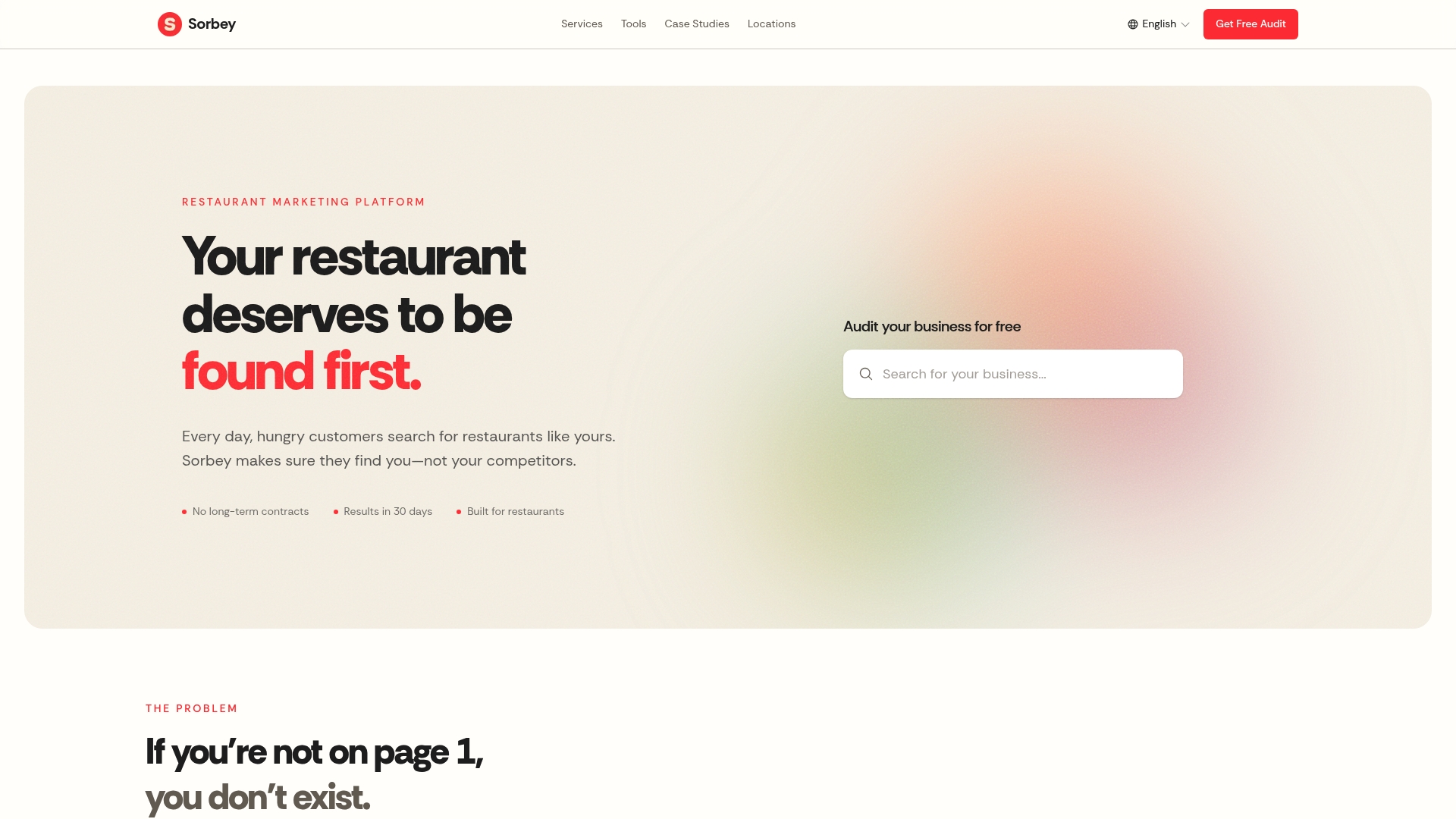
With Sorbey, you can set up automated behavioral triggers, segment guests by visit frequency, and deliver high-touch moments to your best customers without hiring a marketing team. The platform connects your guest data to real-time messaging so your restaurant marketing feels personal at scale. Restaurant owners who want to see exactly what their engagement investment returns can also use Sorbey’s free ROI calculator to model the impact before committing to a full campaign.
FAQ
What are the four types of customer engagement?
The four types are emotional, behavioral, cognitive, and social engagement. Each targets a different aspect of the guest relationship, from trust and loyalty to observable actions and community advocacy.
How do I measure customer engagement in my restaurant?
Use NPS and referral rates for emotional engagement, repeat purchase rate for behavioral engagement, content completion rates for cognitive engagement, and UGC volume and review frequency for social engagement.
What is the difference between customer service and customer engagement?
Customer service responds to problems after they occur. Customer engagement is proactive and anticipates guest needs before issues arise, building loyalty through consistent, personalized interactions.
Which engagement model works best for independent restaurants?
A hybrid model works best for most independent restaurants. It uses automation for broad reach and reserves personal, high-touch interactions for the top guests by visit frequency or spend.
How can restaurants improve customer engagement quickly?
Start with one behavioral trigger, such as a re-engagement offer for guests who haven’t visited in 45 days, and one social tactic, such as a UGC photo campaign. These two moves activate two engagement types with minimal setup and measurable results. For a full framework, the restaurant engagement guide from Sorbey covers each type in depth.
Recommended
Potrebbe interessarti anche

The Role of Customer Reviews in Restaurant Success
Discover the role of customer reviews in restaurant success. Learn how positive feedback can attract diners and enhance your reputation.

What Is Proximity Marketing? A Guide for Restaurants
Discover what proximity marketing is and how it can boost foot traffic for your restaurant. Unlock personalized offers to attract customers!

Why Digital Presence Matters for Your Restaurant
Discover why digital presence matters for your restaurant. Boost visibility, attract diners, and ensure your restaurant thrives online.